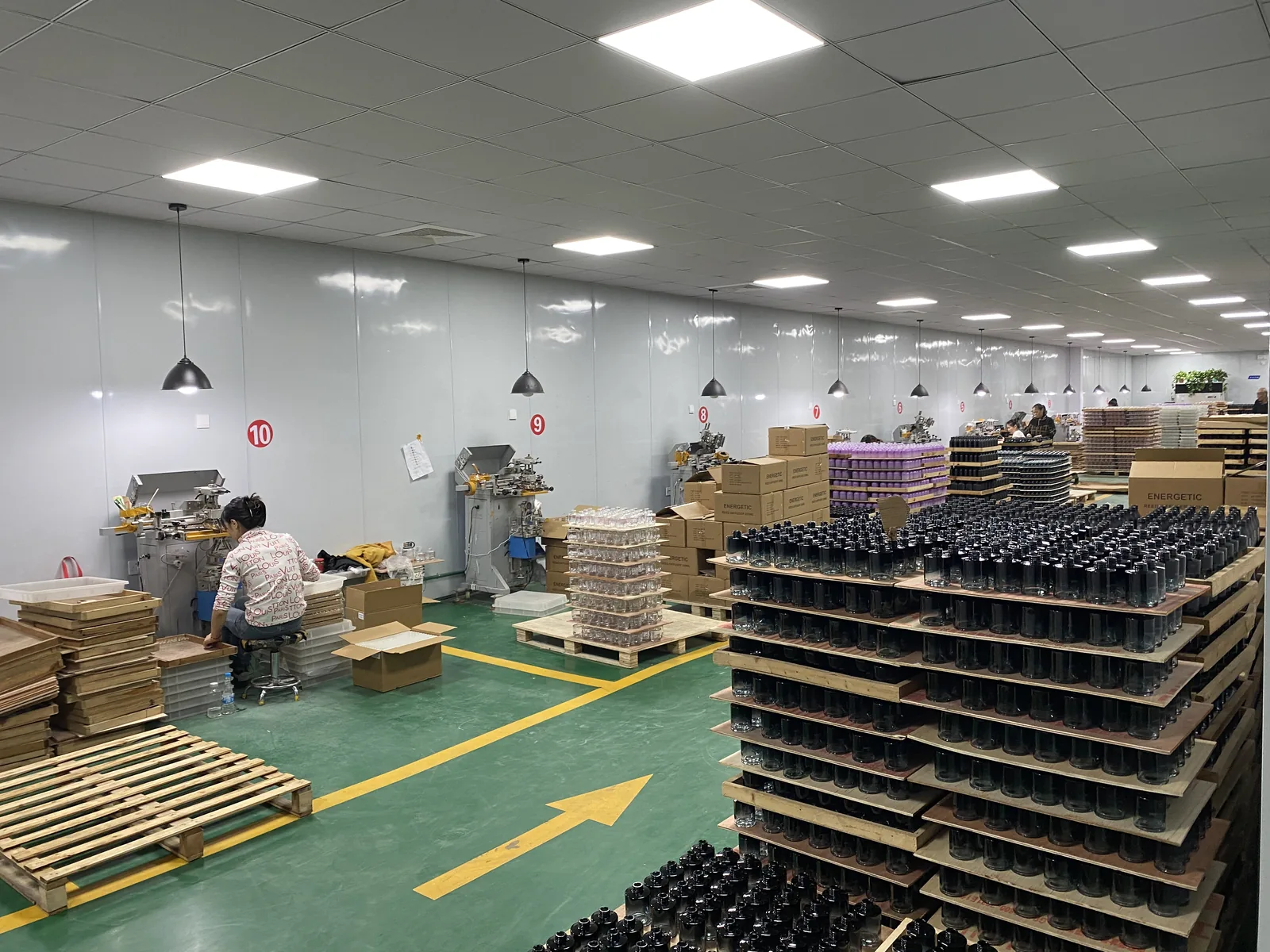
What the decoration workshop images document
The silk-screen and hot-stamping photographs show physical glass packaging inside active decoration areas. Bottles are arranged at multiple workstations, making the images useful evidence of real customization activity rather than a rendered finish catalog. They do not identify one named customer order, guarantee a specific output for every bottle or establish fixed production timing.
For a buyer, the practical starting point remains an exact reference from the OULU perfume bottle catalog. Surface geometry, available artwork area, glass color and the selected component set can change how a decoration direction should be reviewed. Carrying the SKU into the discussion prevents a sample shown on one shape from being treated as an automatic result on another.
Choose the visual requirement before naming the process
A request for a gold logo, opaque mark or transparent color treatment describes the intended appearance, while terms such as silk-screen printing, hot stamping or coating describe possible production routes. Buyers should begin with the visual requirement, artwork, coverage and reference color, then allow the applicable route to be checked against the selected bottle and project scope.
This distinction helps avoid a common RFQ problem: selecting a process name before the bottle surface and artwork have been reviewed. Use the perfume bottle decoration guide to organize the available directions without treating any one method as universally suitable or more durable for every use condition.
Prepare a usable logo-printing brief
For logo printing, identify the exact bottle SKU, the intended front or side area, the approximate printed dimensions and the required color direction. Supply clear artwork and state whether the mark is a single logo, multiple lines, a wraparound element or another layout. If artwork is still being developed, separate the fixed brand elements from details that remain open.
Curved, faceted, textured and narrow surfaces create different placement questions. The physical bottle and applicable sample should therefore be used to confirm artwork size, alignment and appearance. A screen mockup is helpful for communication, but it should not replace the agreed approval reference for the final decoration.
Use hot stamping for a defined metallic detail
The hot-stamping workshop image documents metallic branding activity on glass packaging. A buyer asking for this direction should specify the intended logo or decorative area, metallic color reference and required position. Fine details, edges and surface geometry still need project-specific review before the result is treated as approved.
Metallic branding also needs to be considered with the pump, collar and cap. A gold-tone logo may be intended to coordinate with those components, while a black, silver or champagne direction creates a different assembled presentation. Confirm the complete set rather than approving the bottle decoration in isolation.
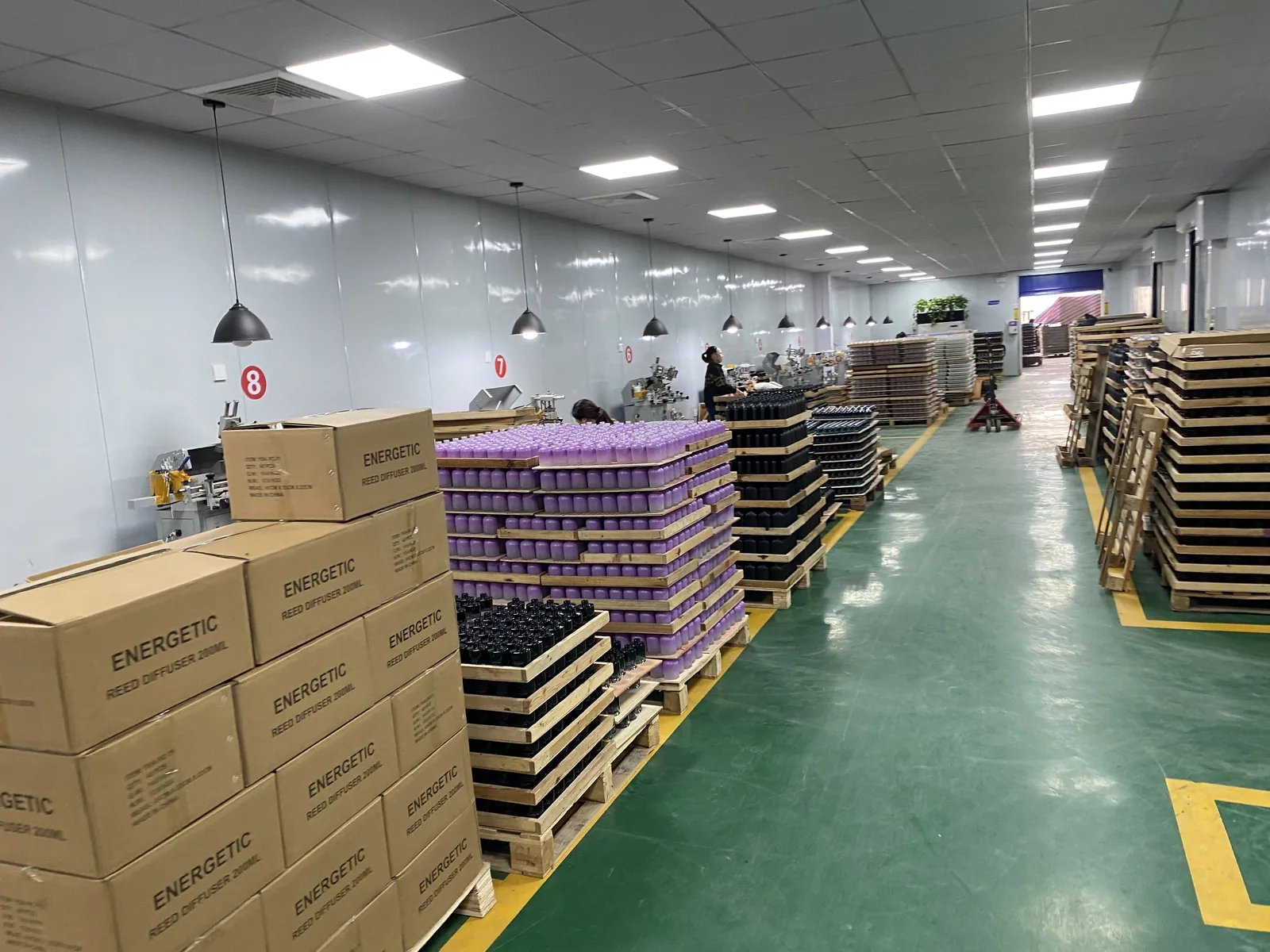
Approve custom bottle color against a defined reference
The color-finish display shows multiple physical bottle colors, including transparent and opaque directions. It demonstrates breadth of visual possibilities without claiming that every color, opacity or surface effect is available on every SKU. Final feasibility depends on the selected glass bottle, target appearance, quantity and the applicable process.
Color viewed on a screen can shift with lighting, camera settings and display calibration. When color is important to the brand, provide a defined reference and agree on the appropriate sample or approval method. The selected cap, collar and retail box should be included in that review because adjacent materials can change the perceived result.
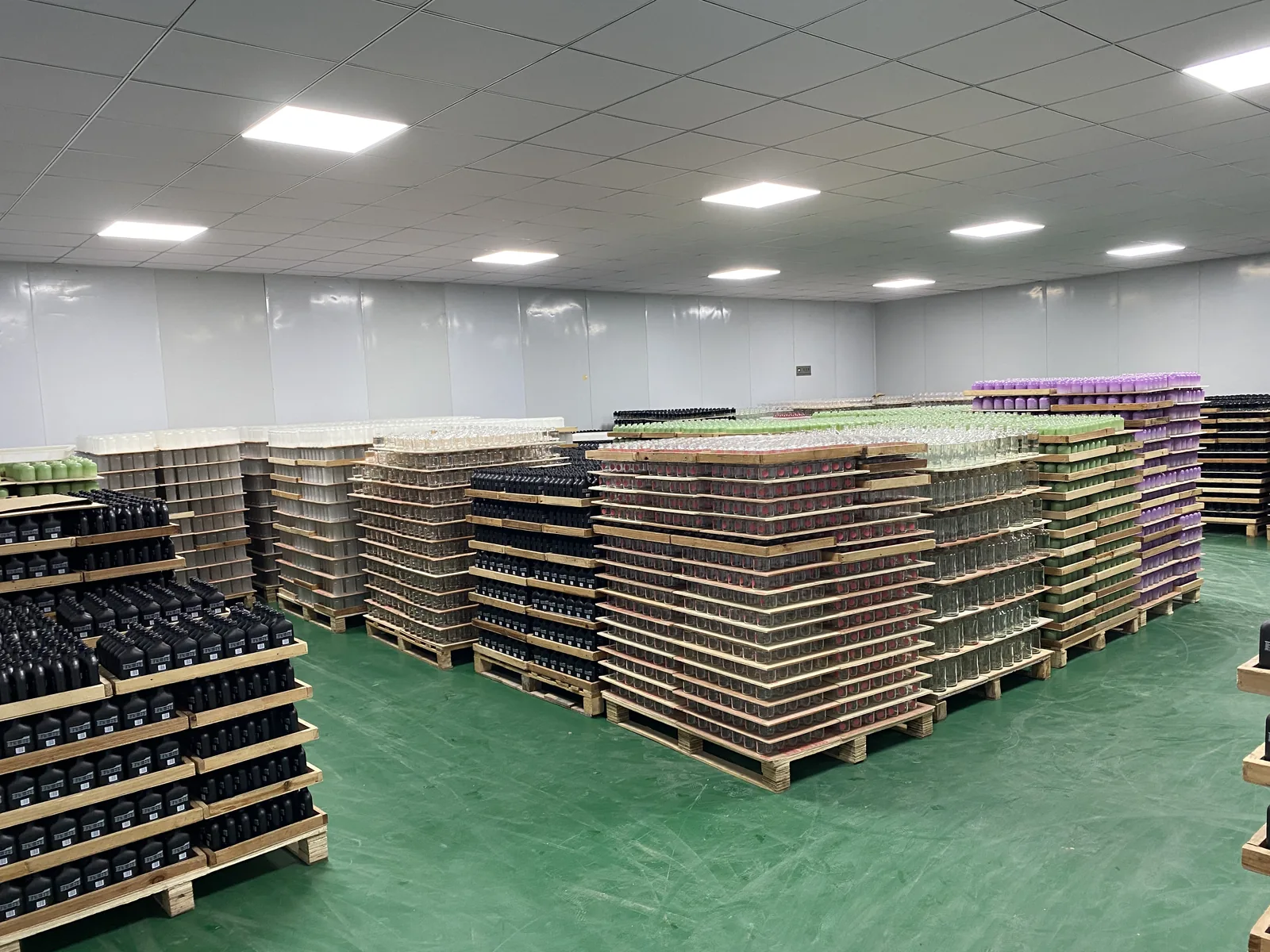
Turn the finish direction into a quote-ready RFQ
Send the bottle SKU or URL, estimated quantity, destination, artwork status, logo dimensions, placement, color or metallic reference, component direction, box needs and target timing. If several versions are required, separate the quantity and finish for each configuration instead of combining them into one unexplained total.
Use the perfume packaging RFQ checklist to organize those details and the quality-requirements page to identify the approval evidence your team needs. OULU can then review the decoration, sample and commercial route for the exact project without assuming unconfirmed MOQ, stock, price or timing.