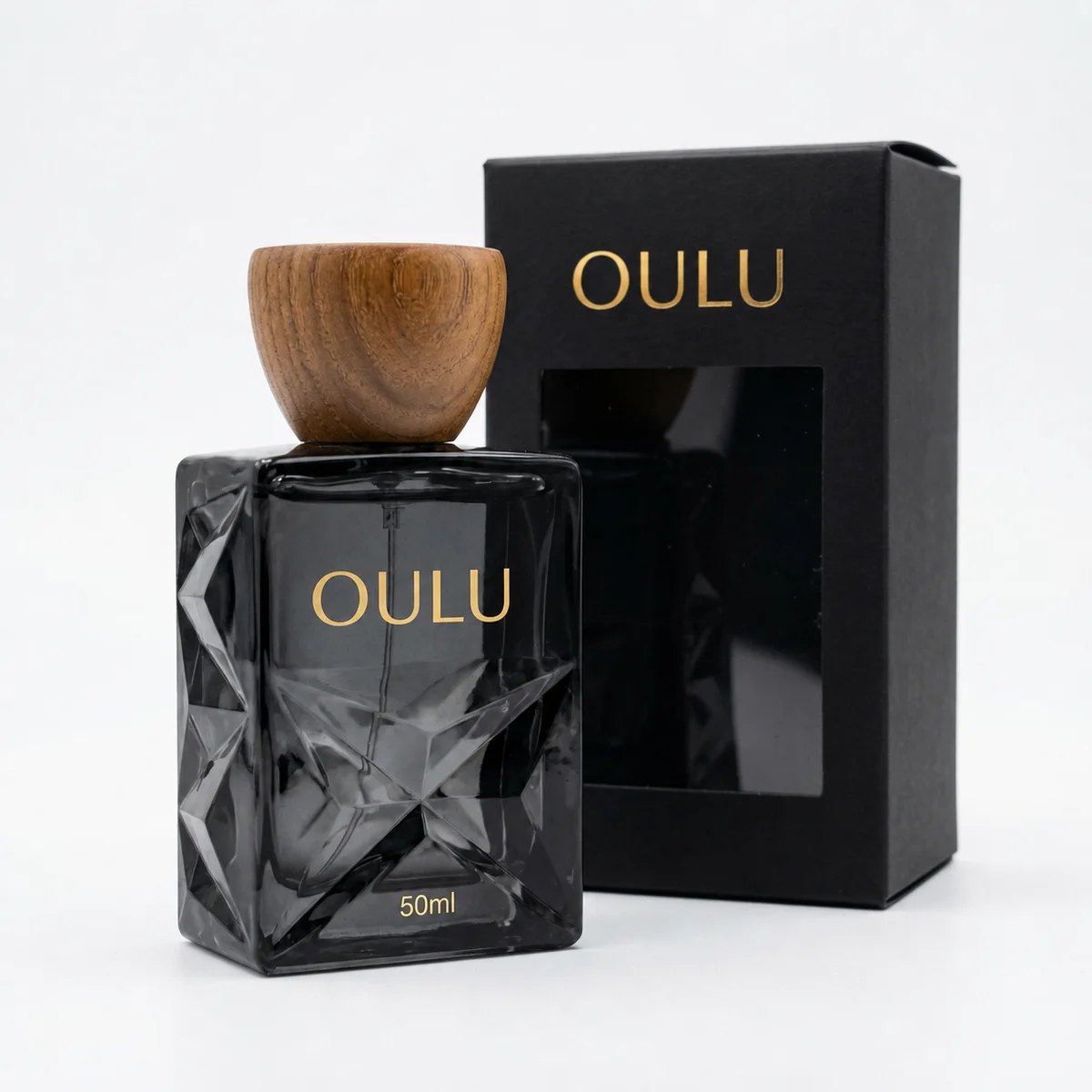
1. Bottle reference and required capacity
Start with an exact OULU SKU, product-page URL, reference image or drawing whenever possible. Add the nominal capacity and the intended role, such as a compact format, a core retail bottle or a gift-set component. Capacity alone is not a complete specification: bottles with the same fill volume can have different proportions, decoration areas and assembled packaging footprints. If you are still comparing options, say which features are fixed and which are open.
Use the perfume bottle catalog to identify a reference, review in-stock starting points, or compare perfume bottle sizes before submitting the brief.
2. Estimated quantity for each configuration
State the estimated quantity for every bottle, capacity, color or decoration version you want quoted. Do not combine several variants into one unexplained total. A clear breakdown helps the supplier review the commercial route for each configuration instead of assuming that every version uses the same terms. If the quantity is provisional, label it as an estimate and explain the expected mix. MOQ and other commercial conditions should be confirmed for the selected product and customization scope.
3. Complete component requirements
List the full component set, not only the glass bottle. Specify whether the RFQ should include a sprayer or pump, collar, cap and any preferred visual direction for those parts. A photographed configuration can be a useful reference, but final compatibility and availability still need confirmation for the selected bottle. Reviewing the assembled set early also gives a better basis for later box and insert decisions.
Include the preferred cap or closure direction and any required sprayer and collar in the same brief.
4. Decoration direction and artwork status
Describe the required finish: for example, color coating, frosting, printing, labels, hot stamping or another metallic detail. Attach visual references and explain the desired color, logo position and coverage. Also state whether production artwork is ready or still under development.
Decoration feasibility depends on the exact bottle surface, artwork and project scope. Final appearance, placement and finish standards should follow the agreed sample or project approval criteria rather than a screen image alone. Compare perfume bottle decoration routes before choosing a process name.
5. Retail box and protective packaging needs
Say whether you need the bottle only or a coordinated retail box, fitted insert or complete presentation set. Follow the box-ready bottle measurement guide to record the sufficiently defined bottle and component assembly; otherwise, the insert may be designed around incomplete information. Include any known presentation goals and protection concerns, but leave open dimensions or materials clearly marked for review. This keeps the bottle, closure and outer packaging aligned as one system.
6. Destination and buyer-specific requirements
Provide the destination country or market and identify any packaging, labeling, documentation or internal quality requirements that your team already knows. Do not assume that a product or document applies universally. Ask for the exact records or checks required for your project. Destination information also helps keep the quotation and packing discussion tied to the intended shipment rather than to a generic, undefined market. Use the quality requirements guide to organize the approval basis.
7. Target timing and sample expectations
Share the target launch date and the decision points that matter before it, such as sample review, artwork approval or final packaging confirmation. Then state what kind of sample you are requesting: a stock bottle sample, a decorated sample or a complete packaging set. Sample availability depends on the selected model and decoration. Fixed timing should be confirmed only after the product route, development scope and approval steps have been reviewed.
Turn the checklist into one clear RFQ
Place the seven items in one message and attach the relevant SKU links, images, drawings or artwork files. Separate confirmed requirements from preferences, and flag any information that still needs supplier input. This makes it easier to compare bottle options, identify missing decisions and continue the discussion around one defined packaging brief. When you are ready, send OULU your bottle reference, capacity, quantity, components, decoration, box needs, destination, timing and sample expectations for a project-specific review.