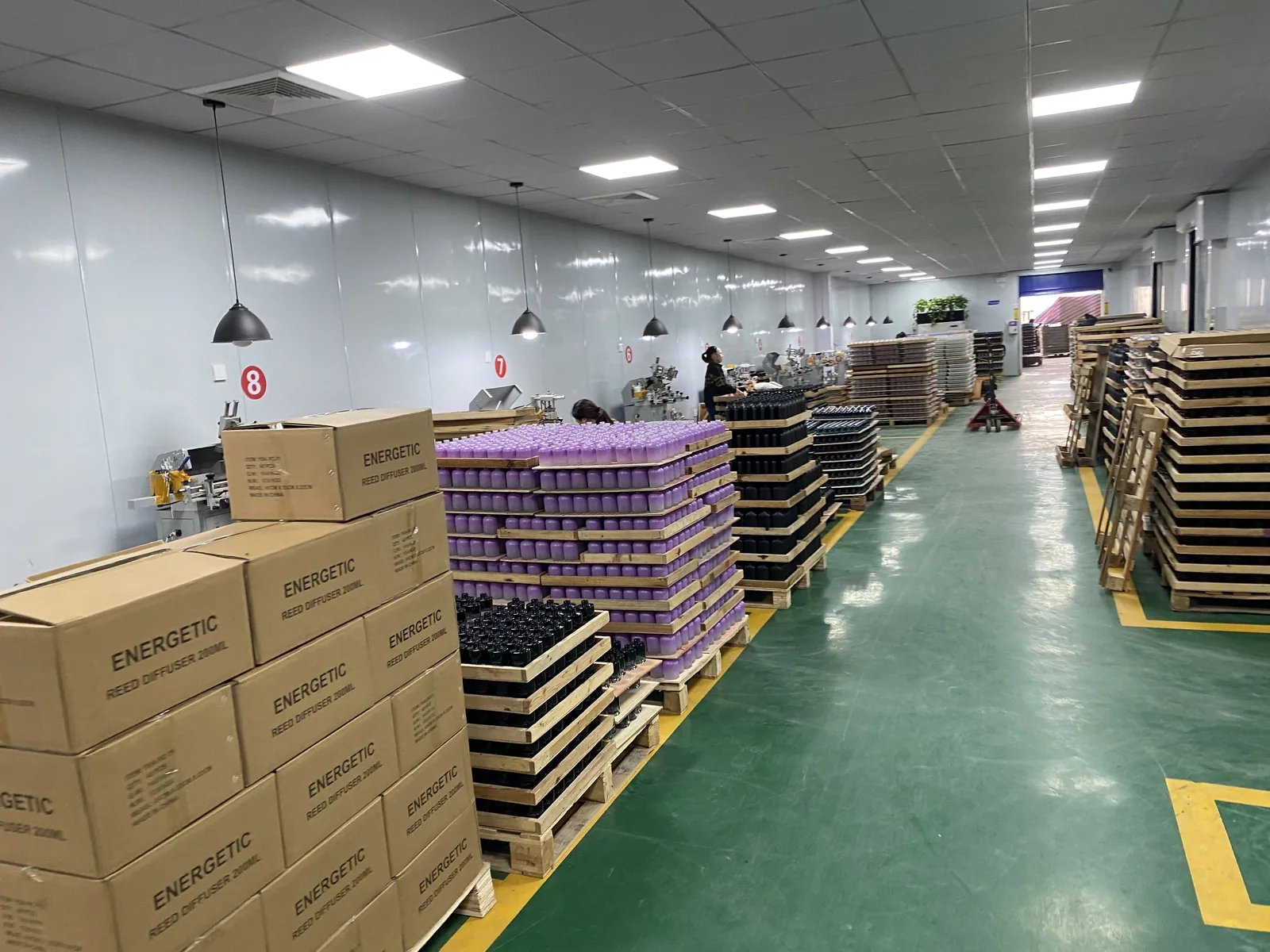
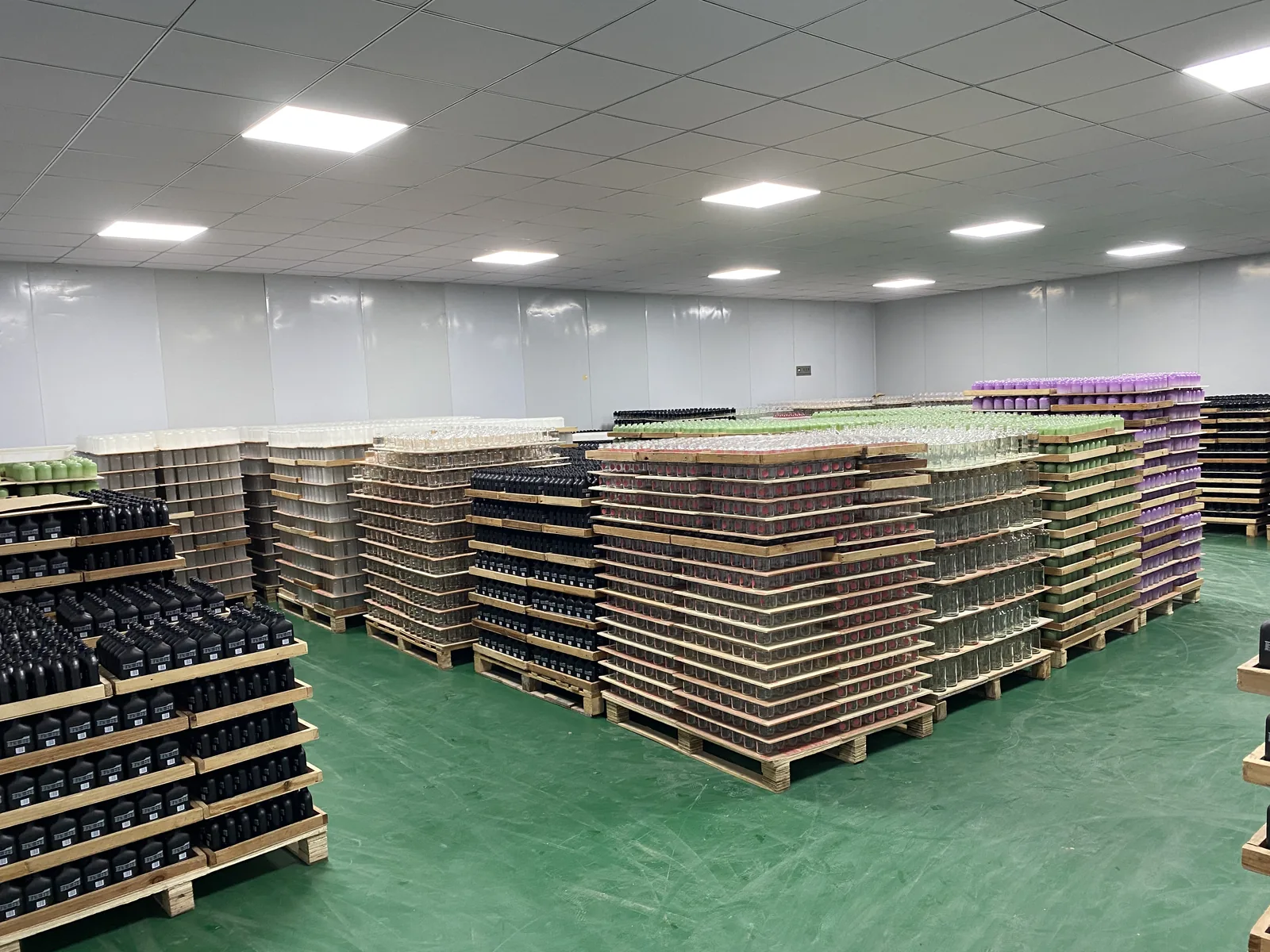
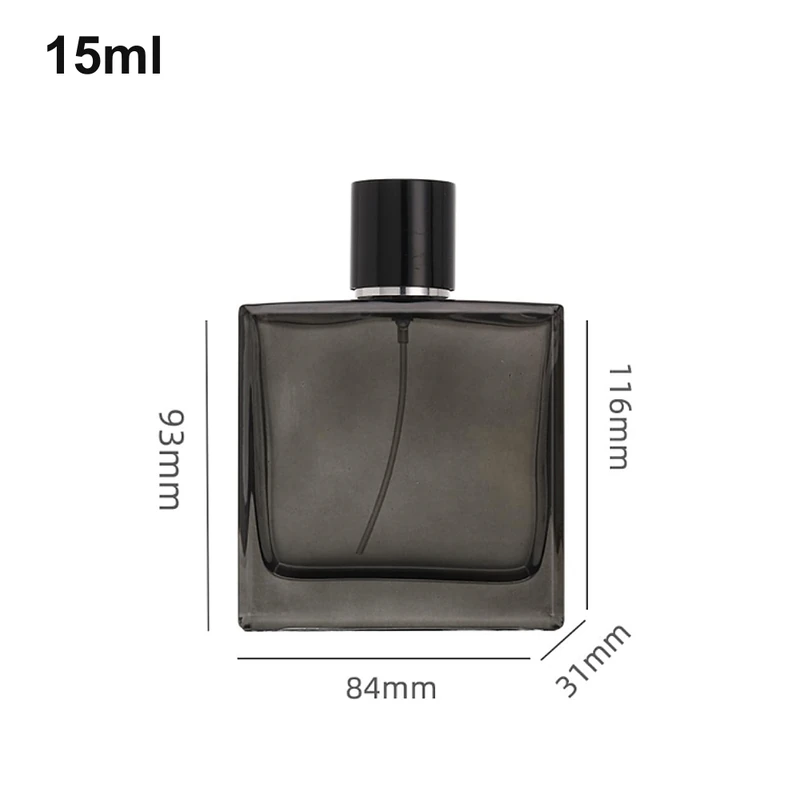
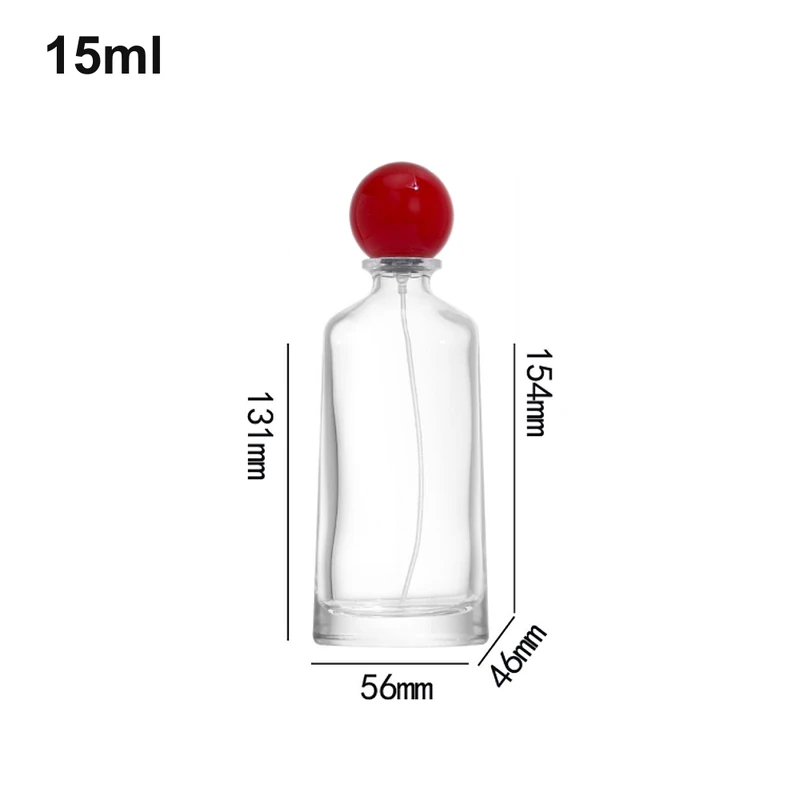
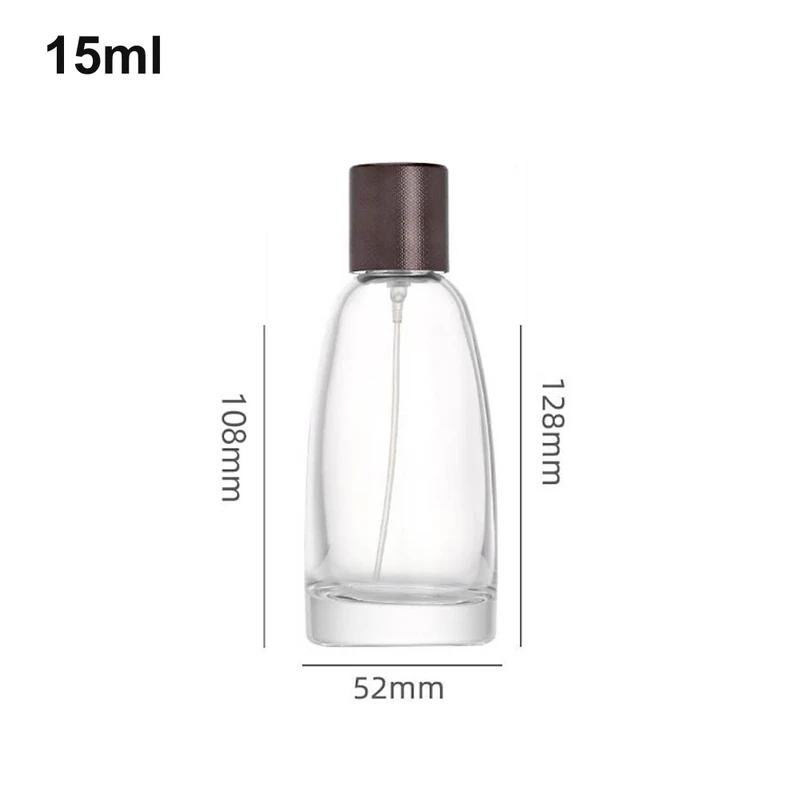
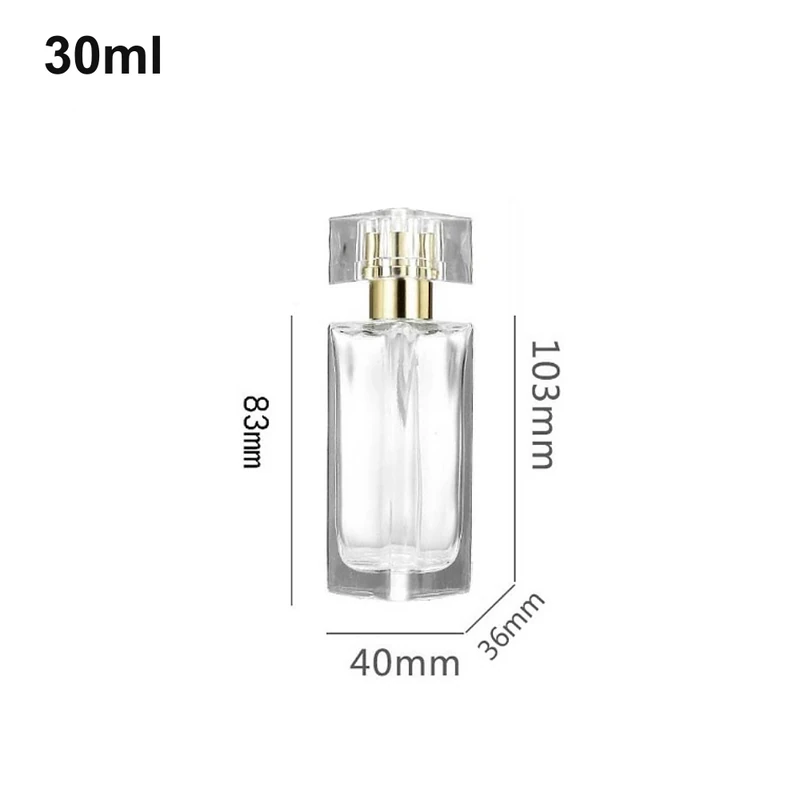
01Document the design brief
Provide a sketch, reference image, drawing or 3D concept together with the intended capacity, proportions and closure direction. Separating fixed requirements from visual preferences makes the technical review easier to follow.
02Review the bottle and components as one design
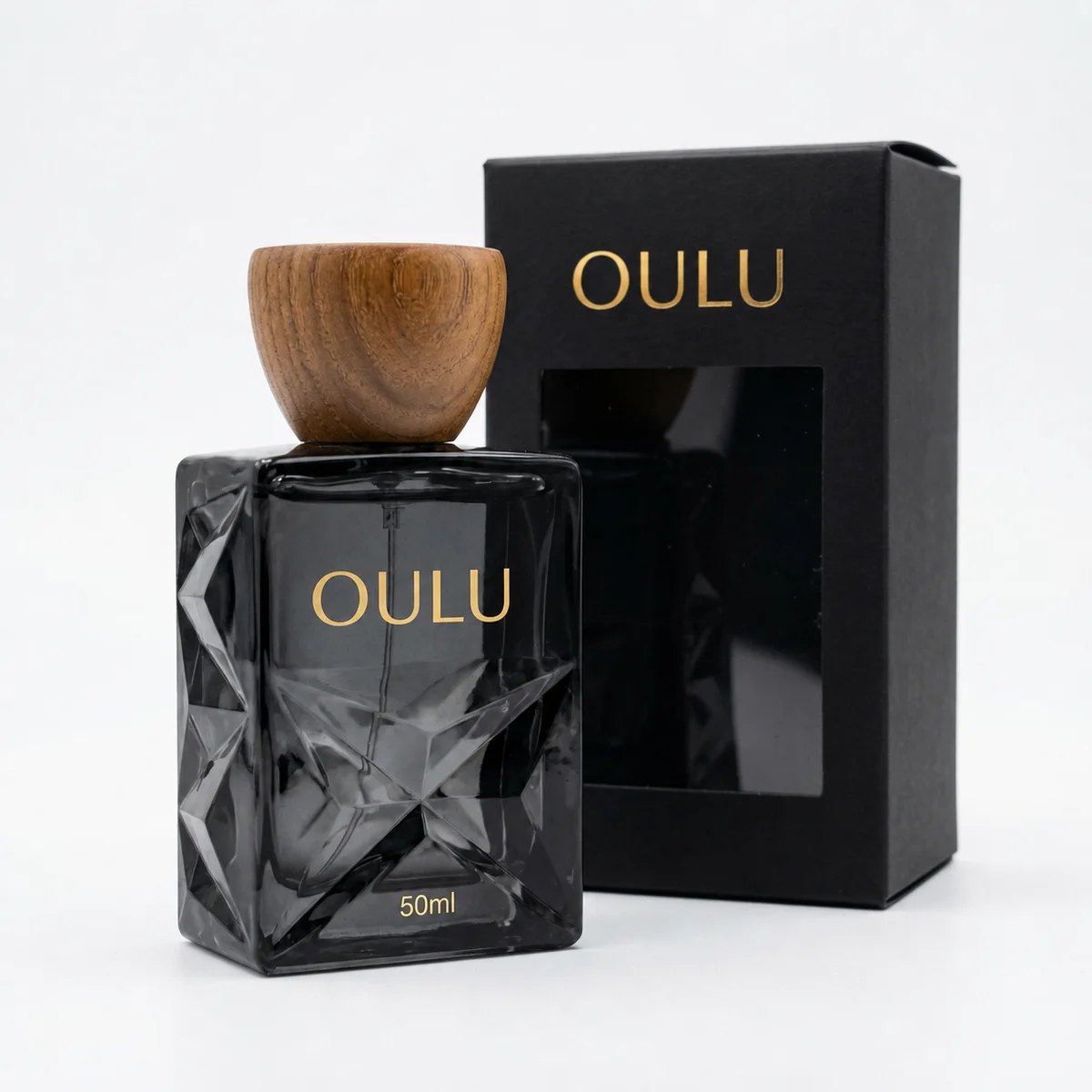
The neck, pump, collar and cap affect both function and the assembled silhouette. Coordinating them before the bottle geometry is finalized reduces the risk of developing a shape that cannot support the intended component set.
03Confirm whether a new mold is necessary
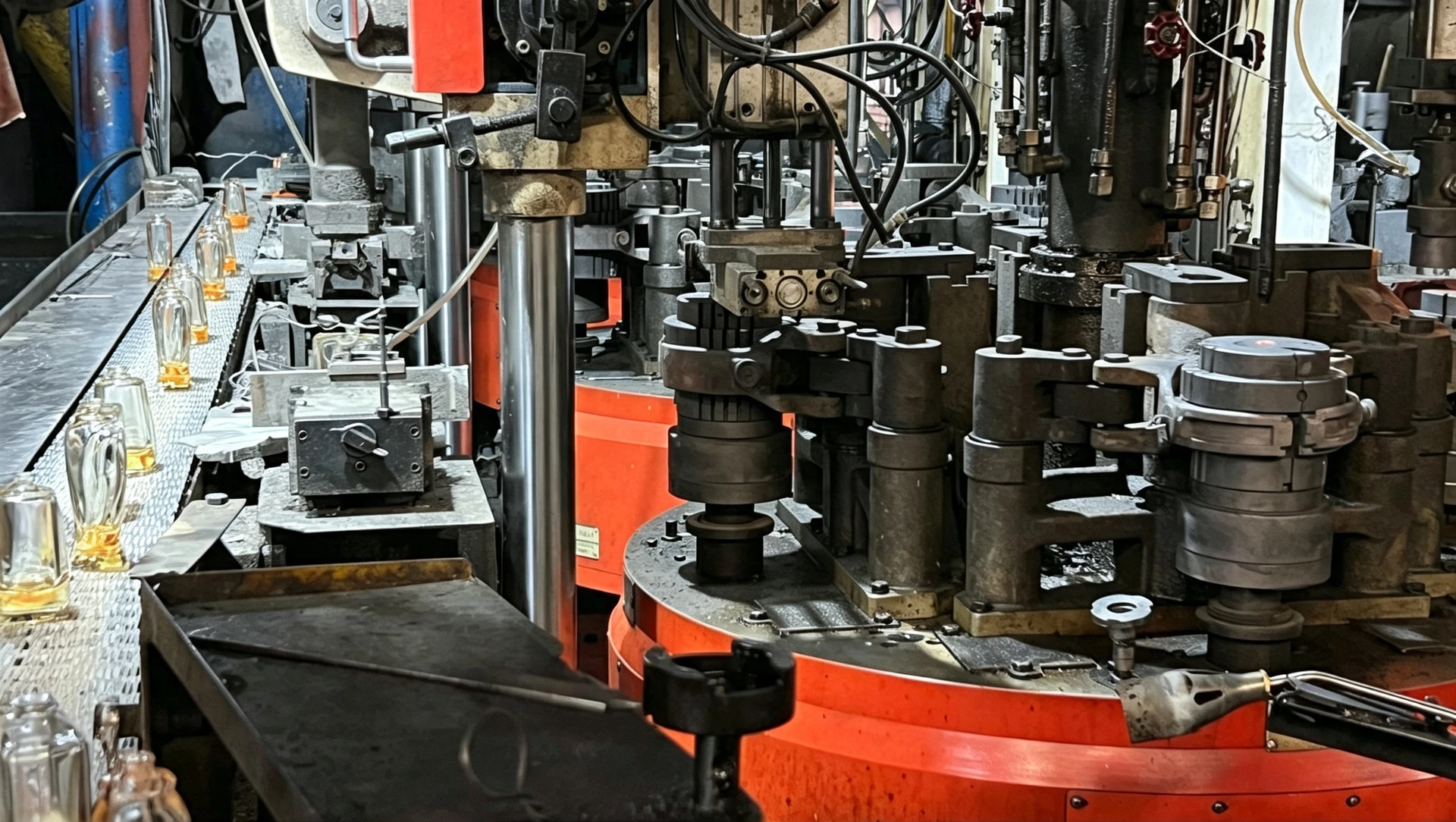
A custom mold is not the only route to a distinctive result. Review whether a close existing bottle with suitable decoration can meet the brief before committing the project to new shape development and mold preparation.
04Use samples as the approval gate
Bottle geometry, component fit, decoration and the complete shelf presentation may require different checks. Production should follow an approved sample or an agreed specification appropriate to the project rather than an unverified screen image alone.
05Set the production route after scope approval
Mold preparation, decoration trials and production planning depend on the approved design and component scope. Fixed timing, commercial terms and other project-specific commitments are confirmed only after that scope is reviewed.