1. Start with exact product traceability
Ask the supplier to connect each proposed bottle to an exact SKU, product page, drawing or dimension sheet. A generic gallery can communicate style, but it does not keep the selected capacity, proportions, photographed components and quotation attached to one reference. The OULU perfume bottle catalog uses SKU-level pages so a buyer can carry the same identifier into the component, decoration and box discussion.
Check which measurements are shown and which still need confirmation. Width, depth, bottle-body height and overall height are not interchangeable, and an unshown value should not be guessed when an insert or carton is being developed. Product traceability is the first safeguard against comparing one photograph with a different commercial configuration.
2. Separate visible factory evidence from production promises
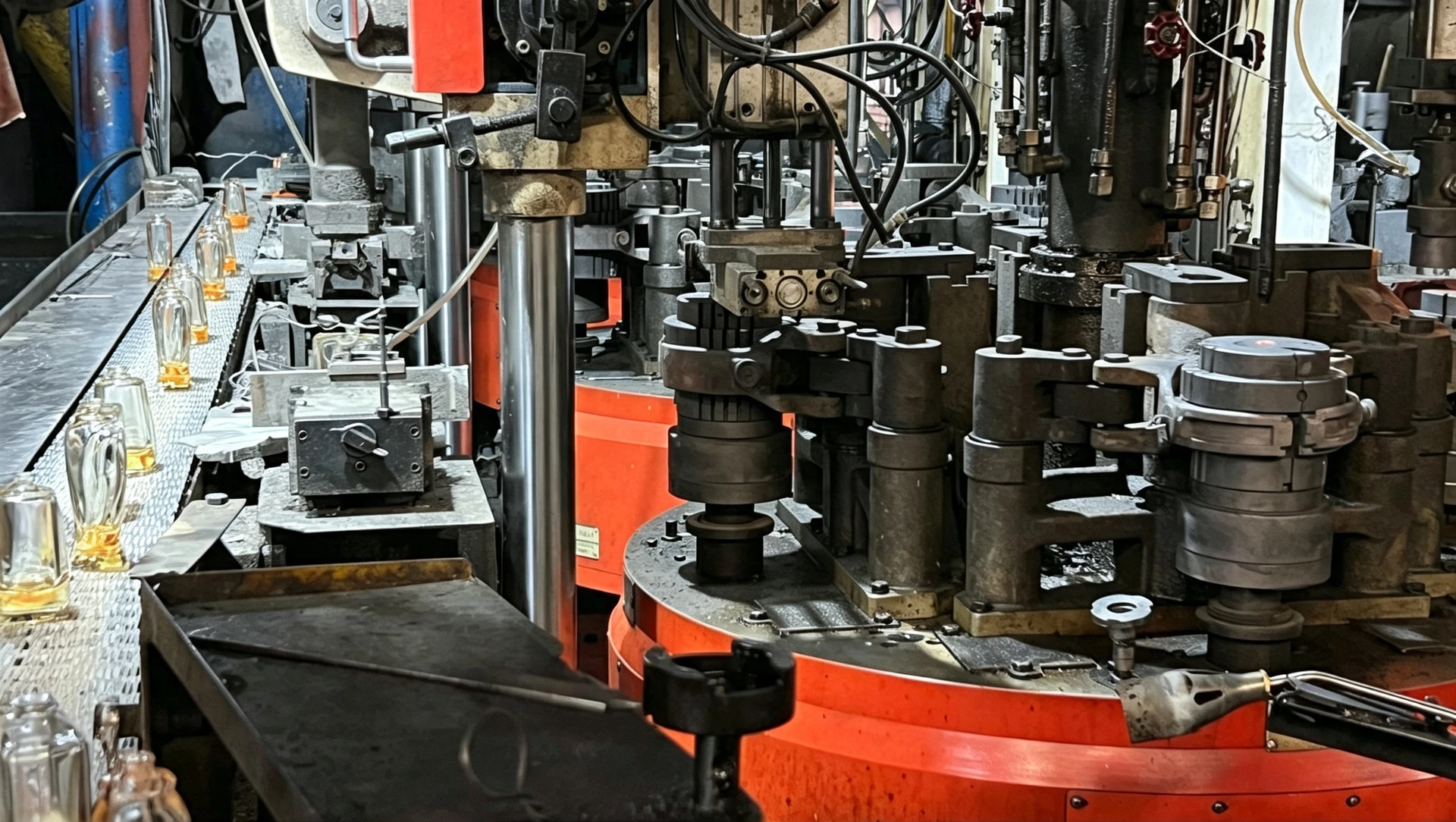
Factory images and videos can document equipment, workshop activity and process stages. They do not by themselves confirm live capacity, a fixed lead time or the production route for every bottle. Review the OULU workshop process record as evidence of real activity, then ask how the selected SKU and requested quantity would move through the applicable route.
A reliable comparison distinguishes what is visible from what must be confirmed in writing. Request project-specific answers for stock, scheduling, tooling, decoration and approval steps rather than converting a factory video into an automatic commercial promise.
3. Review the bottle, pump, collar and cap as one system
A perfume bottle is not ready for quotation simply because the glass shape has been selected. Ask the supplier to review the required pump or sprayer, collar and cap with the exact bottle. The sprayers and collars and caps and closures pages show the component categories that belong in the same brief.
Treat a photographed closure as a visual direction unless compatibility and availability have been confirmed for the current specification. Component color, finish and assembled height also affect the retail box and the overall presentation, so they should not be postponed until after the bottle quotation.
4. Match decoration evidence to the exact surface and artwork
Ask for a decoration route tied to the bottle surface, artwork, placement and coverage. Printing, hot stamping, color coating and frosting create different technical and visual questions. The decoration options page and the workshop decoration update help define the process direction without assuming that every finish applies to every SKU.
Provide the logo file, target color or metallic reference and intended position. Final appearance should follow an agreed sample or approval basis, not only a screen image. A useful supplier response will identify the inputs still required before the finish can be treated as confirmed.
5. Define the sample and approval route
State whether you need a stock bottle sample, a decorated sample or a complete packaging set. Those are different review stages. A stock sample can help check scale and handling, while a decorated or assembled sample may be needed to approve artwork, finish coordination and the box insert.
Use the perfume bottle packaging RFQ checklist to separate confirmed requirements from preferences. Ask what will be approved, who provides the reference and which changes require another review. Sample availability, cost and timing remain project-specific rather than automatic supplier guarantees.
6. Turn quality expectations into a written specification
A statement such as good quality is too broad for supplier comparison. Define the visual, dimensional, functional and packaging points that matter to the project, then connect them to a drawing, written requirement or approved sample. The quality-control overview and annealing and inspection update show why evidence and acceptance criteria should remain linked.
Ask which checks apply to the selected bottle and complete configuration. Avoid assuming that one inspection image proves every requirement or that an unlisted certification applies. The strongest response identifies the agreed standard, the review stage and the evidence needed for the buyer's decision.
7. Include the retail box, insert, protection and destination
If the project includes outer packaging, evaluate whether the supplier can coordinate the assembled bottle with the retail box, insert and transport protection. The perfume packaging boxes page outlines the information needed to keep those elements in one scope.
Provide the destination market and any known labeling, documentation or internal packaging requirements. Box dimensions should follow sufficiently confirmed bottle and component dimensions. A supplier should identify unresolved measurements or requirements before an insert is treated as final.
8. Compare commercial terms only after the scope matches
Two quotations are not directly comparable when one includes only glass and the other includes a pump, collar, cap, decoration, box or different approval steps. Use the in-stock versus custom sourcing guide to identify the project route, then request the same written scope from each shortlisted supplier.
List each SKU and configuration separately with quantity, components, decoration, packaging, destination, target timing and sample expectations. Ask the supplier to mark exclusions and items that still require confirmation. Live stock, MOQ, price and schedule should be reviewed for that exact scope rather than inferred from a general catalog statement.
Use one RFQ to compare the shortlisted manufacturers fairly
Send the same quote-ready brief to each supplier and compare the completeness of the response as well as the price. A useful answer should preserve the exact product reference, identify assumptions, separate confirmed facts from pending checks and explain the next approval step.
This method does not eliminate every sourcing risk, but it makes gaps visible before the project reaches production. OULU can review a defined bottle and packaging brief without inventing unconfirmed compatibility, stock, commercial terms or timing.