Start by defining what each sourcing route means
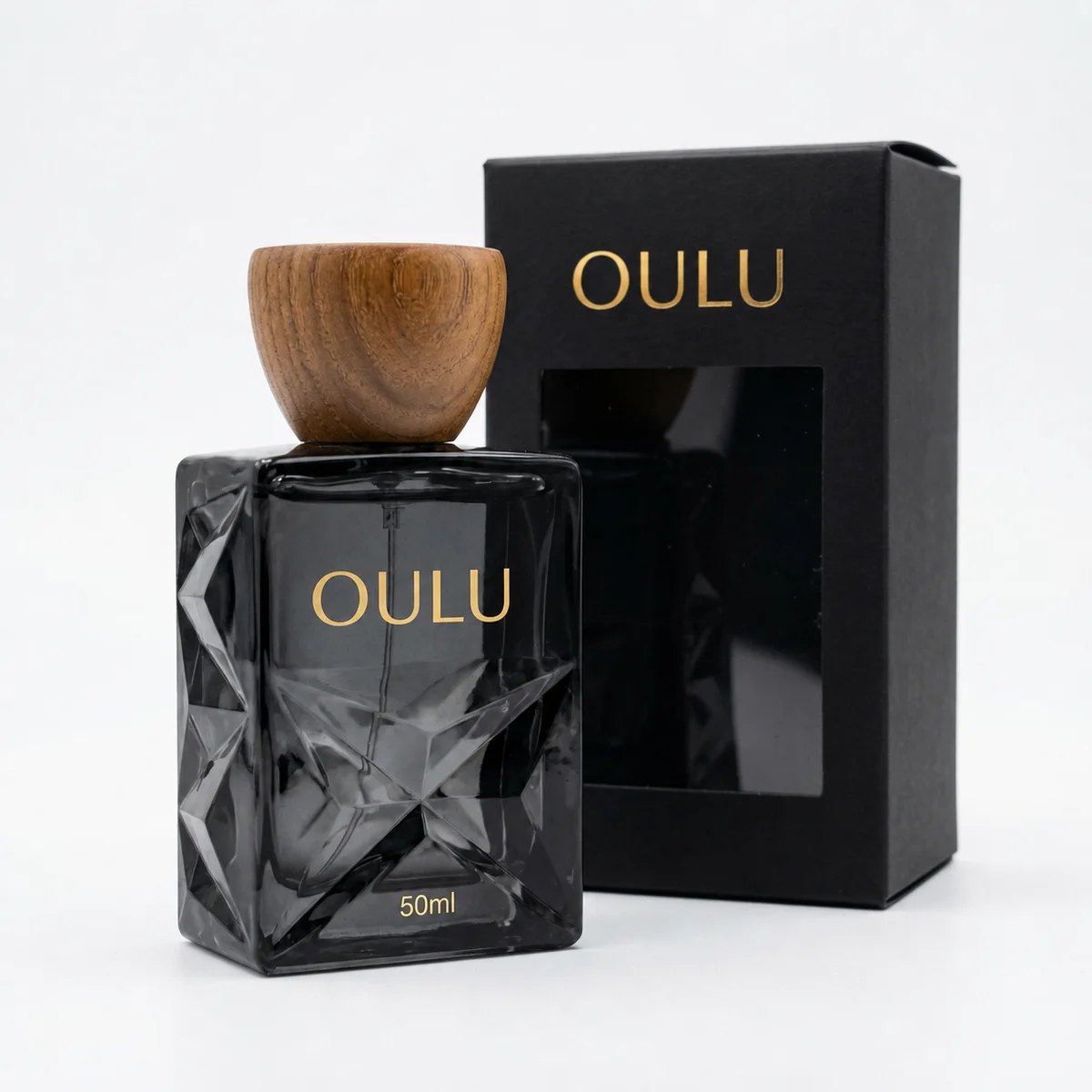
An in-stock route starts with an existing bottle reference from the OULU in-stock perfume bottle program. The physical bottle design already exists, so the buyer can compare a specific SKU, capacity and visible dimensions before discussing components, decoration and packaging. Live quantity, component availability, MOQ and dispatch planning still need confirmation for the exact configuration and destination.
A custom route starts when the required bottle shape, proportions, surface treatment or structural details cannot be defined by an existing SKU. The project may involve adapting an available bottle through decoration and components, or reviewing a new bottle-development path. Those are different levels of customization, so the first enquiry should state which design features are essential and which remain open.
The distinction is therefore not simply ready-made versus premium. Both routes can support coordinated fragrance packaging, and both require a written project scope before commercial terms or timing can be confirmed.
When an in-stock bottle is the stronger starting point
Begin with an in-stock model when an existing silhouette already fits the intended fragrance position and the priority is to evaluate a physical bottle reference. A SKU gives the conversation a stable basis: nominal capacity, visible dimensions, decoration area, likely component direction and the assembled footprint can all be reviewed around one identified bottle.
This route is also useful for brands comparing several capacities or shapes before committing to a packaging system. Buyers can first browse the full perfume bottle catalog and use the bottle-size guide to narrow the field. The selected bottle can still receive a project-specific color, printed logo, hot-stamped detail, cap direction and retail box, subject to feasibility and approval.
Do not treat the word in-stock as a promise that every bottle, pump, cap and box combination is immediately available. Ask OULU to confirm the exact SKU, required quantity, component set, decoration scope and destination together. That check separates a useful stock starting point from an assumed complete package.
When custom development is justified
Choose a custom review when the bottle itself must carry a distinctive structural idea that an existing model cannot provide. This may include a proprietary silhouette, unusual proportions, a specific base or shoulder treatment, a defined decoration surface, or another requirement tied closely to the brand concept.
A custom project needs clearer inputs because the design direction must be translated into a reviewable specification. Useful starting materials include drawings, reference images, target capacity, dimensional constraints, component direction and the intended decoration. OULU's custom perfume bottle process can then be discussed around the actual scope instead of a general request for something unique.
Custom development should not be selected only because it sounds more exclusive. It introduces additional design, feasibility, sample and approval decisions. The route is justified when those decisions protect a meaningful brand or functional requirement, and when the buyer is prepared to review them before a production plan is confirmed.
Compare the two routes side by side
Use this matrix as a briefing tool rather than a promise of price or timing. The final route still depends on the selected bottle, quantity, components, decoration, destination and approval scope.
| Decision factor | In-stock starting route | Custom development route |
|---|---|---|
| Starting reference | Existing OULU SKU or product page | Drawing, design reference or defined structural brief |
| Bottle geometry | Existing shape and visible dimensions | New or substantially adapted structural direction |
| Early validation | Review the identified physical bottle and configuration | Review feasibility, specification and development steps |
| Brand differentiation | Decoration, color, components and packaging around an existing bottle | Bottle structure plus decoration, components and packaging |
| Sampling focus | Bottle, assembled components, decoration or complete-set sample as applicable | Development sample and agreed approval stages as applicable |
| Commercial confirmation | Live stock, MOQ, component availability and timing by SKU | Scope, MOQ, development route and timing after review |
Bottle choice is only one part of the packaging system
A suitable bottle can still fail as a packaging decision if the pump, collar, cap or box is treated as an afterthought. For either sourcing route, define whether the enquiry covers the glass bottle alone or a coordinated set. Review the preferred sprayer and collar, the visual direction for caps and closures, and any functional or appearance requirements for the assembled pack.
Decoration also sits across both routes. An in-stock bottle can become brand-specific through color coating, frosting, printing, labels or hot stamping, while a custom bottle still needs artwork placement and finish approval. The correct process depends on the selected surface, artwork and intended result; a screen reference alone is not the final approval standard.
If the project includes a retail box or fitted insert, define it after the bottle and component configuration is sufficiently clear. Coordinating the packaging box and insert around the assembled set reduces the risk of designing outer packaging against incomplete dimensions.
Use samples and approvals to remove different kinds of risk
For an in-stock route, an initial bottle sample can help the buyer assess proportions, glass appearance and the selected physical reference. A decorated or assembled sample may then be needed to review color, logo placement, component fit and presentation. The applicable sequence depends on the project rather than on one universal sample rule.
For a custom route, the approval path must also address the newly defined bottle specification and development output. Keep each decision tied to the written project criteria, and distinguish visual approval from checks involving fit, packing or other buyer requirements. The quality-requirements guide can help organize what needs to be reviewed before the next stage.
Neither route should move forward on assumptions hidden inside an image or an informal message. Record the approved bottle reference, components, decoration, packaging and any buyer-specific requirements so the quotation and subsequent checks refer to the same configuration.
Send enough information for OULU to recommend a route
A useful first enquiry does not need every technical answer, but it should clearly separate confirmed requirements from preferences. Send the target capacity, estimated quantity for each version, destination, bottle or design reference, required components, decoration direction, box needs, target timing and sample expectation.
If you already have a preferred SKU, include the product link. If you need a new design, attach the clearest available drawing or reference and identify the non-negotiable features. Use the seven-detail perfume packaging RFQ checklist to assemble one brief. OULU can then review whether an in-stock model, a customized existing bottle or a custom-development discussion is the appropriate next step—without treating the initial enquiry as confirmation of stock, MOQ, price or timing.