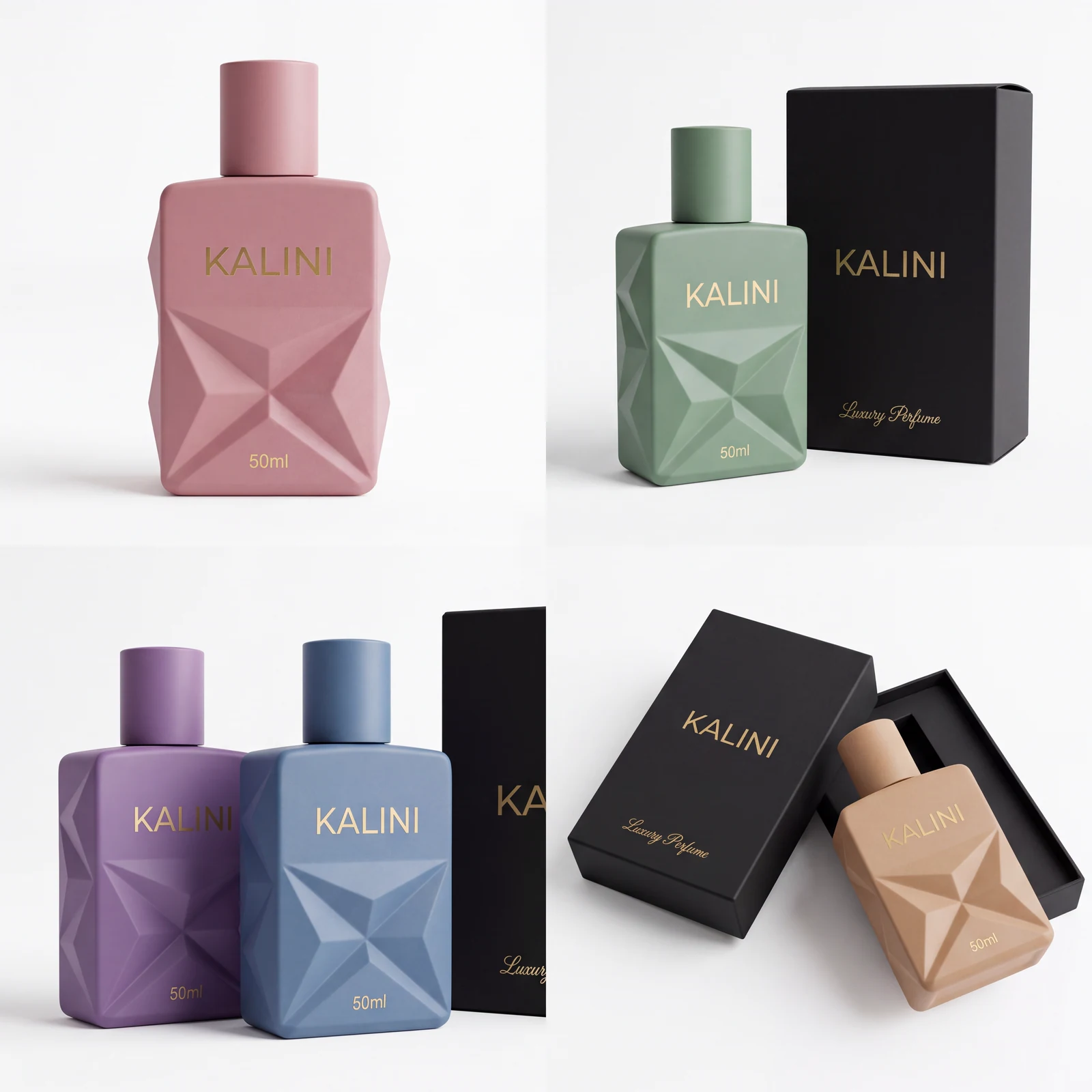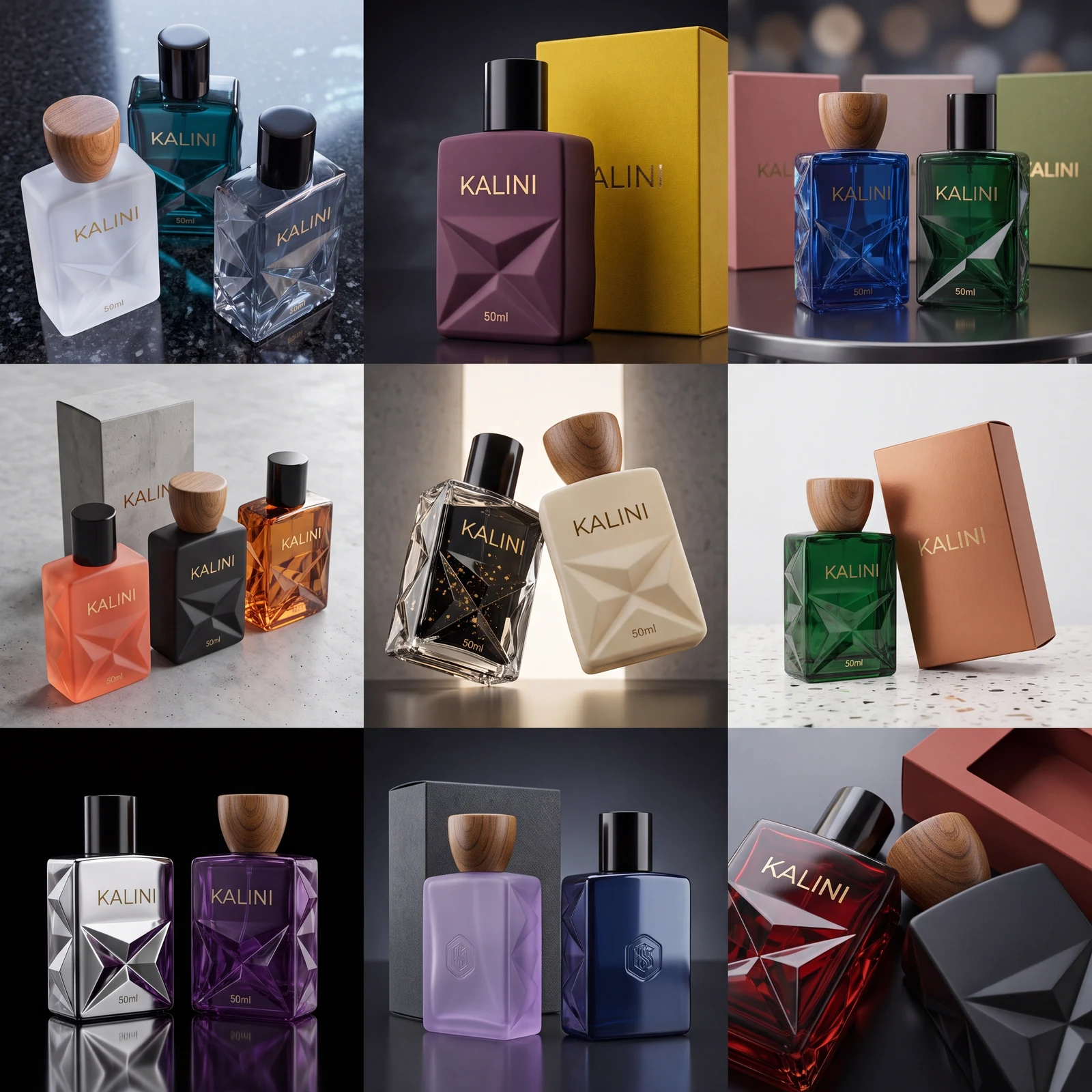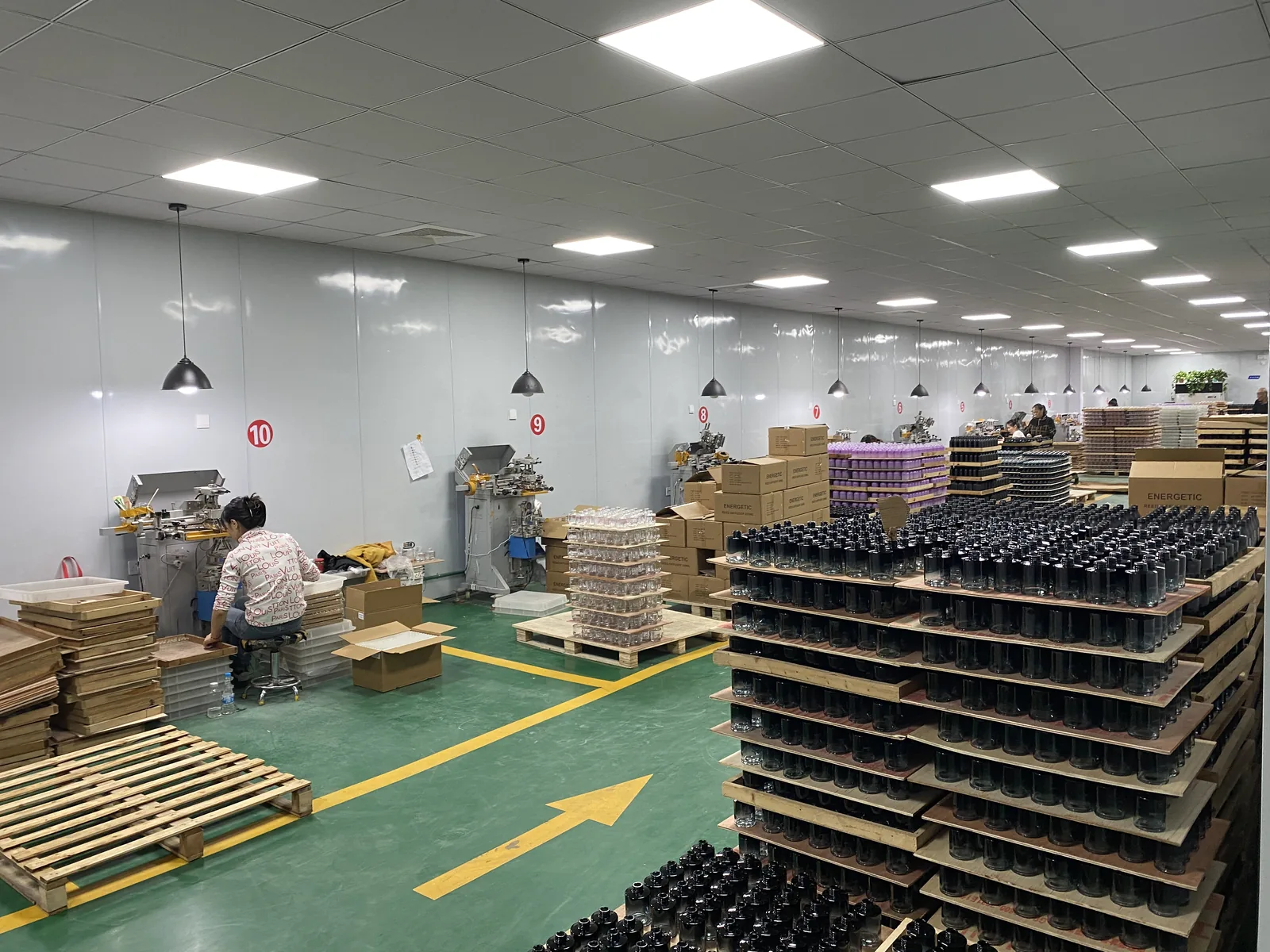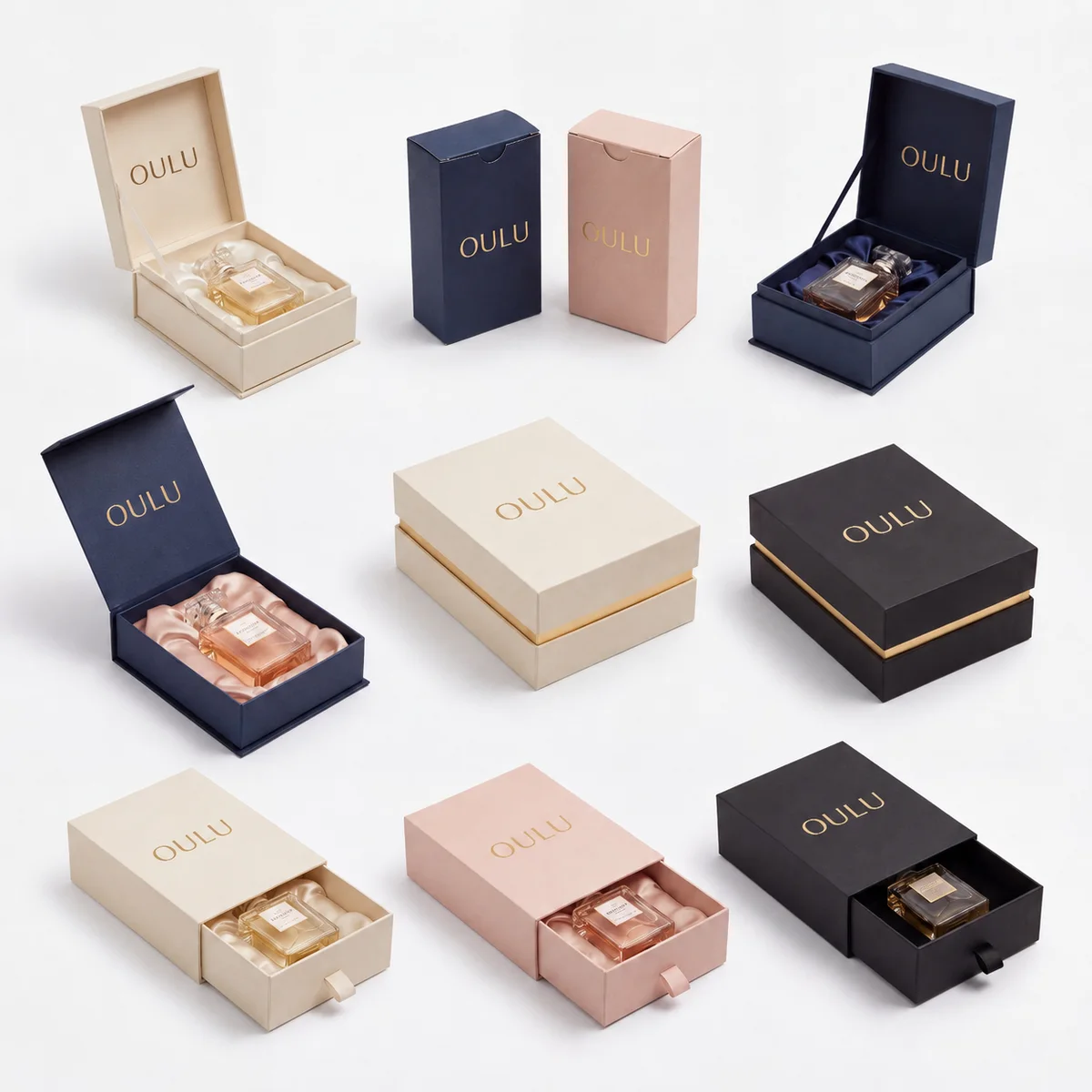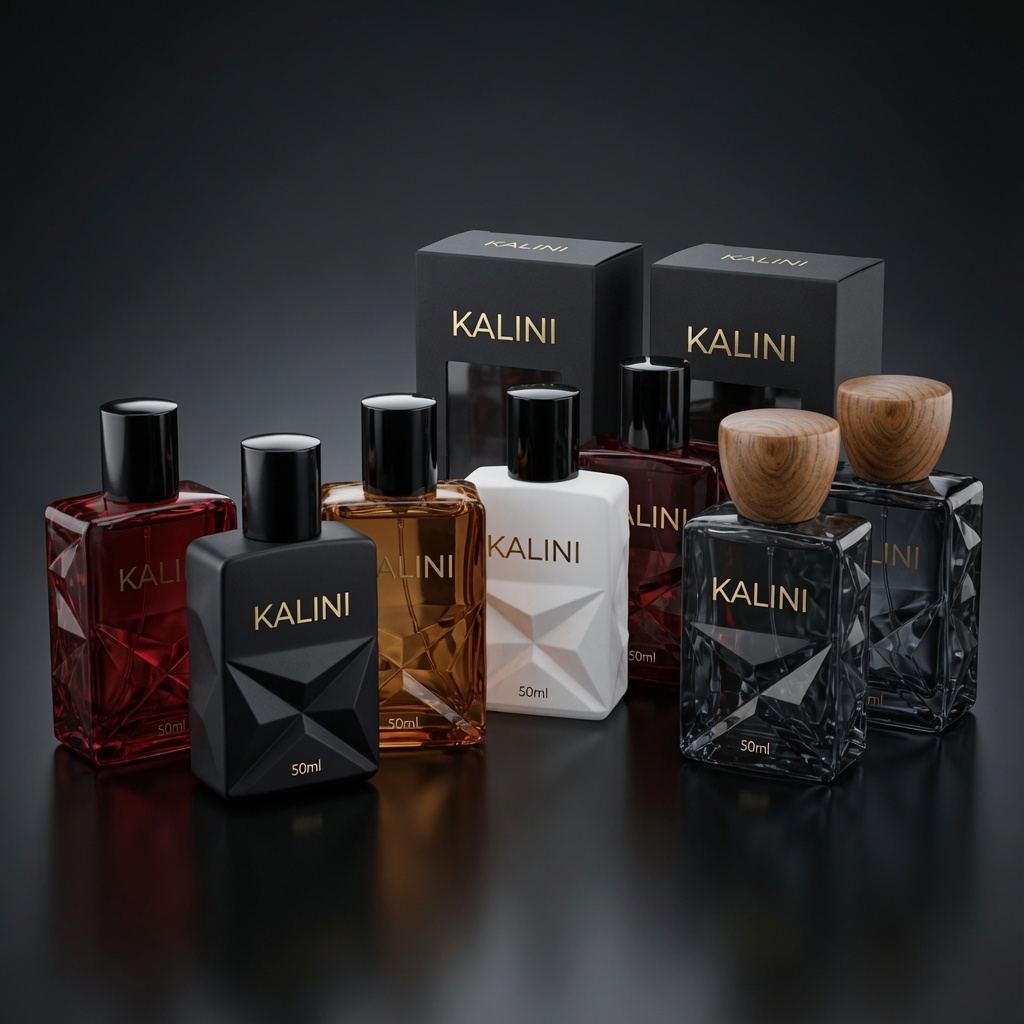
Define private label packaging as a complete component scope
For this guide, private label packaging means the physical bottle set and its brand application: glass bottle, sprayer, collar, cap, logo or label, fitted insert, retail box and applicable export packing. It does not automatically include fragrance formulation, filling or regulatory work outside the confirmed quotation scope.
Start with the retail pack that must reach the market. A single consolidated brief reduces the risk that a cap is chosen without its pump, a box is measured before the assembled height is known, or artwork is approved on a surface that has not been selected.
| Route | Useful starting point | Decisions to keep together | Confirm before commitment |
|---|---|---|---|
| Stock bottle route | An exact published OULU SKU | Bottle, matching components and live quantity | Availability, fit, finish, MOQ and schedule |
| Decorated stock-bottle route | An existing shape plus brand direction | Color, logo, pump, cap, insert and box | Artwork feasibility, samples and approved appearance |
| Custom development route | A requirement an existing bottle cannot meet | Geometry, neck, components, decoration and tooling | Development scope, mold route, samples and production plan |
Choose the bottle by capacity, shape and exact reference
Nominal capacity does not define one exterior size, decoration area or box footprint. Shortlist an exact SKU in the perfume bottle catalog, then compare its photographed configuration and image-confirmed dimensions with the intended retail role.
If no existing shape supports the identity or function, continue with the custom glass perfume bottle process. A custom mold should solve a defined requirement rather than replace a workable stock reference by default.
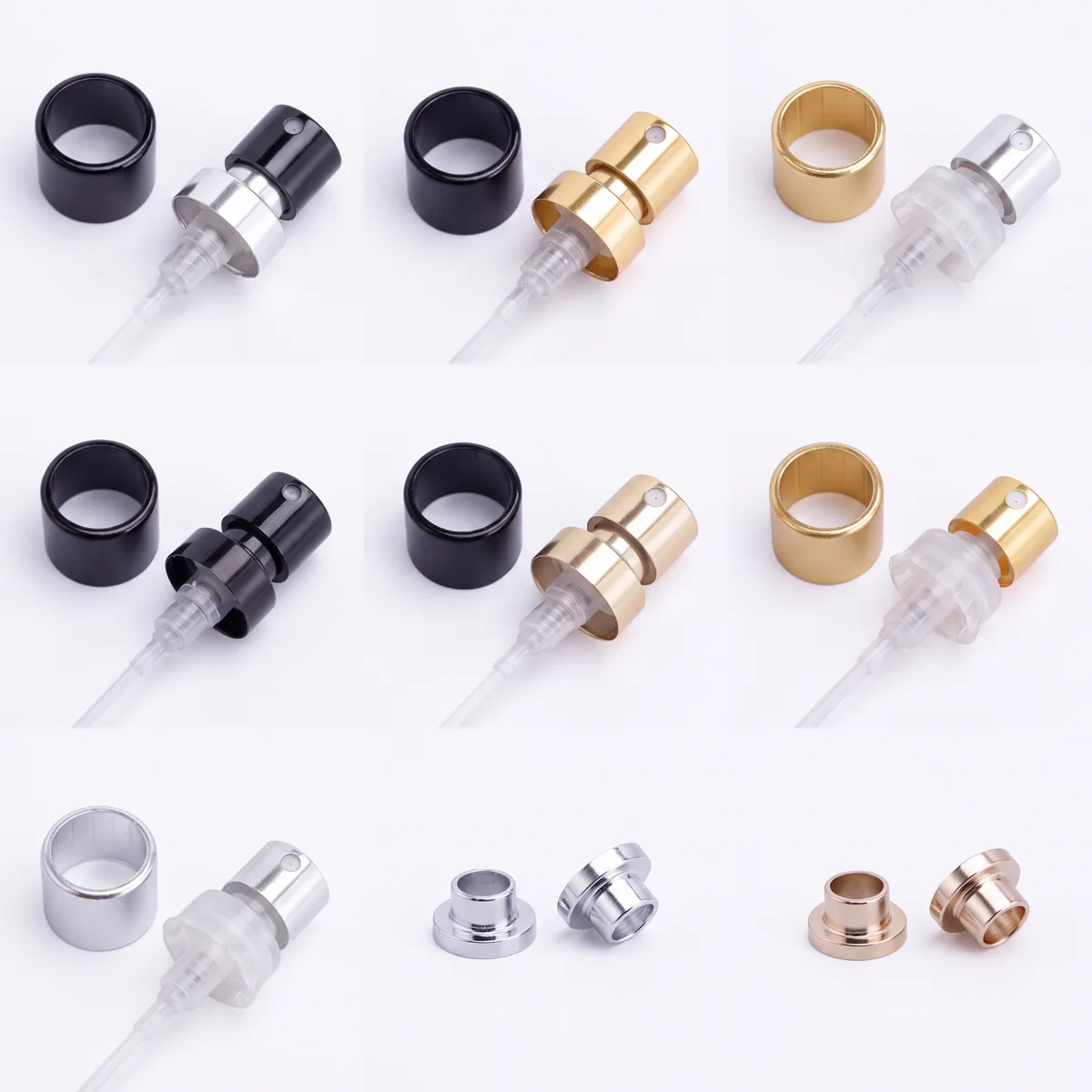
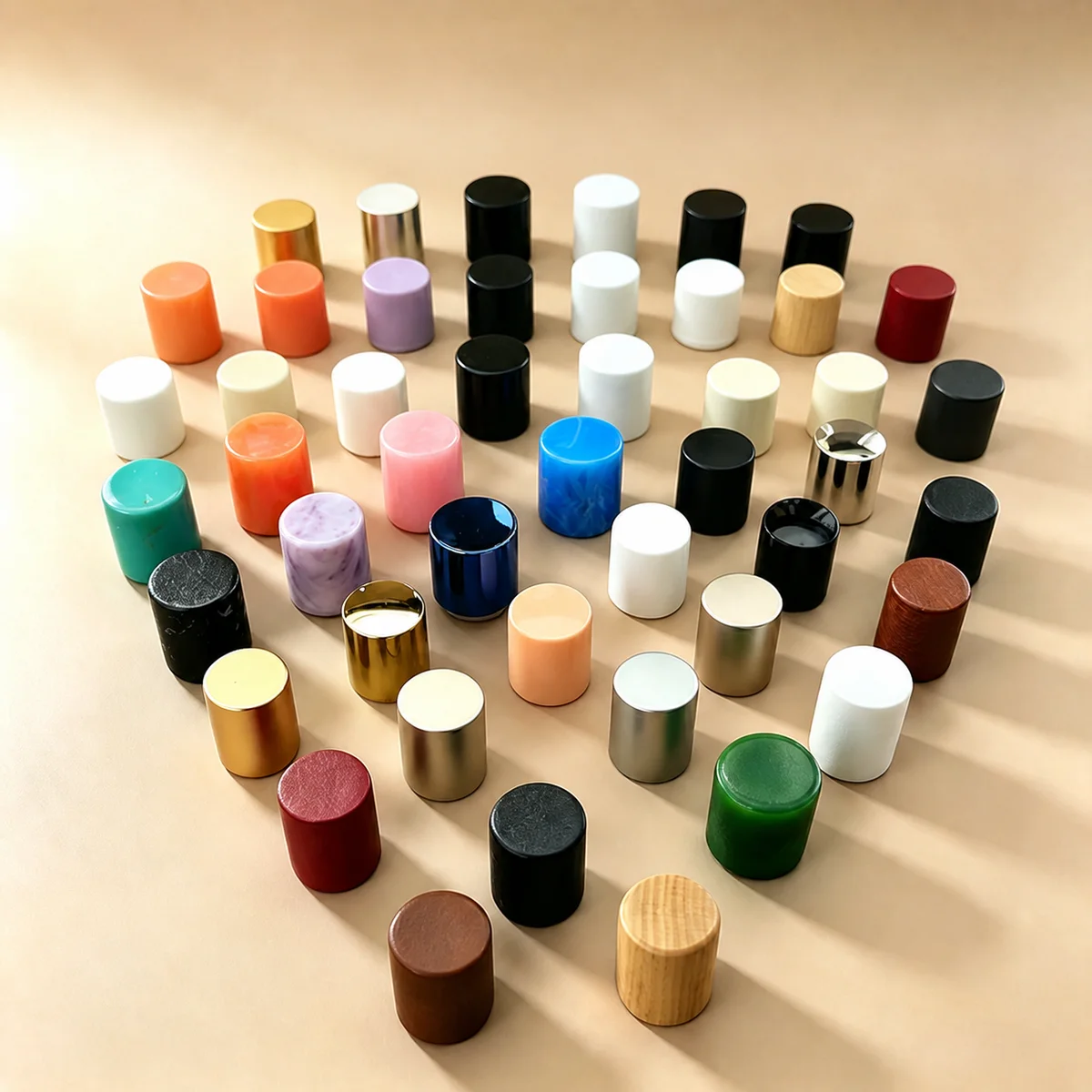
Match the neck, sprayer, collar and cap before styling the set
The pump and cap are functional parts of the assembled silhouette. Confirm the bottle neck route, sprayer, collar profile, dip-tube direction and cap insert together. The 13FEA, 15FEA and 13mm neck-size guide explains why a shared number, color or exterior diameter does not establish interchangeability.
Use exact photographed component references in the RFQ. Exterior materials such as ABS, acrylic, wood, resin or zinc alloy help communicate the design direction, while final fit, weight, finish and assembled height remain project-specific approval points.
Specify bottle color and logo as measurable decoration requirements
Describe color by transparency, coverage, gloss level and a defined reference rather than by a broad name alone. Identify whether the target is clear, tinted, gradient, frosted, opaque or metallic, then review the result on the selected bottle surface.
Send vector artwork where available, intended logo dimensions, placement, number of colors and preferred process. Compare screen printing, hot stamping, labels and applied details in the perfume bottle decoration guide, then approve the applicable sample or agreed standard before production.
Build the box and insert around the approved assembled bottle
Measure the bottle with the intended pump, collar and cap. The box and fitted cavity should follow confirmed assembled width, depth and overall height, plus orientation, finger access, contact points and transport-protection requirements.
Compare folding cartons, rigid boxes, drawer boxes and fitted inserts in the box structure guide. Final dielines and insert geometry belong to the approved assembly rather than a generic capacity label or a different bottle photograph.
Use samples to close specific packaging decisions
A stock bottle sample can answer shape and handling questions. An assembled component sample can address pump, collar and cap fit. A decorated sample can address color, logo placement and surface appearance, while a fitted-box sample can address retention and opening experience.
State which decision each sample must close. Final quality criteria, tolerances, appearance, packaging and commercial terms should follow the approved project scope rather than an unverified screen image.
Send one quote-ready private label packaging brief
Include the exact bottle SKU or design reference, capacity, estimated quantity, destination, pump and cap direction, color and logo requirements, box or insert structure, artwork status and target timing. Identify any item that remains a preference rather than a fixed requirement.
Use OULU's complete packaging brief to submit the project once. Live availability, MOQ, fit, sampling route, price and schedule are confirmed against that exact scope; they are not fixed by this guide.