Compare 8ml, 10ml and 15ml as distinct packaging routes
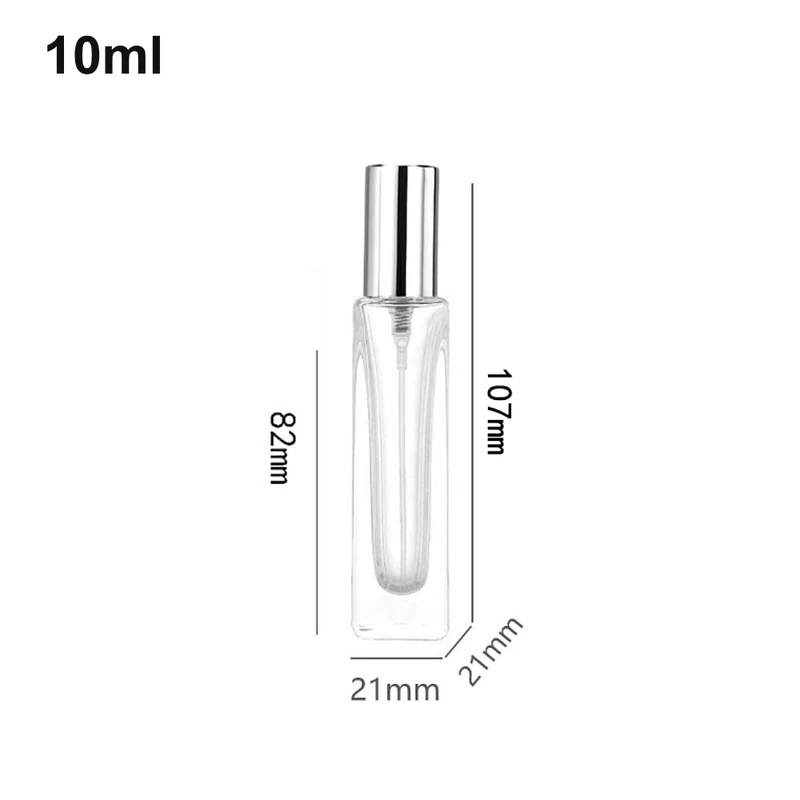
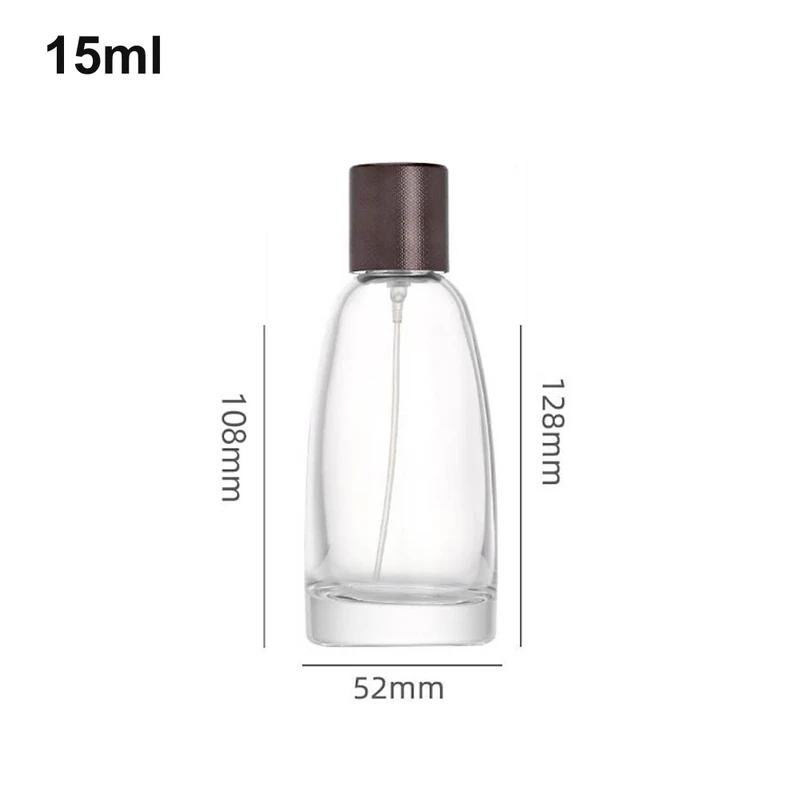
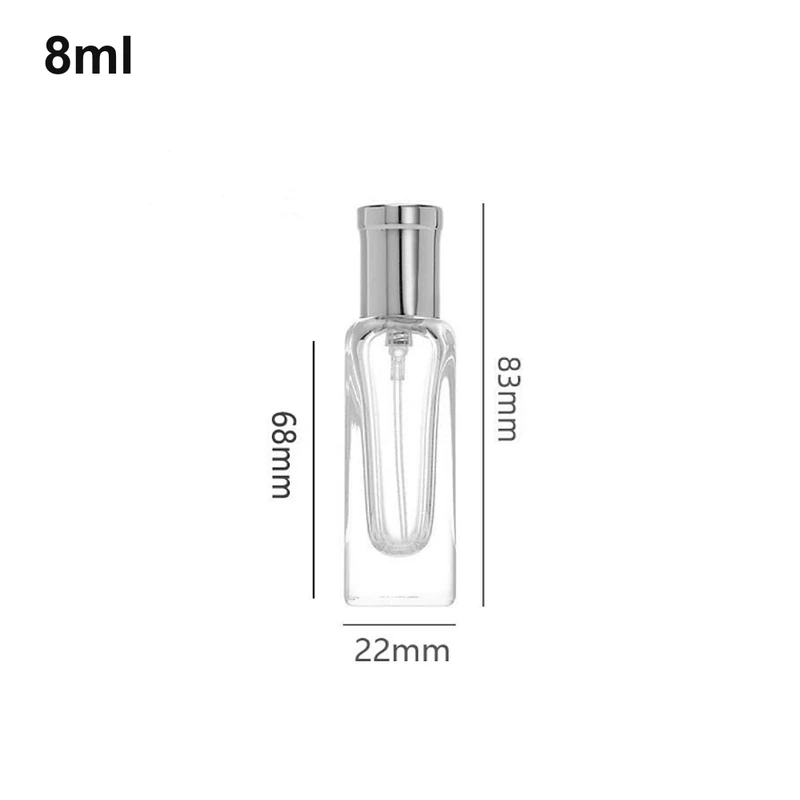
Eight, ten and fifteen millilitres describe nominal fill volume, not one exterior dimension or one retail role. The published OULU range currently includes one 8ml bottle, three 10ml bottles and eighty-four 15ml bottles. A capacity shortlist should therefore lead to an exact SKU shortlist before an insert, carton, cap or decoration is finalized.
Use the 8ml collection, 10ml collection and 15ml collection to compare the published references. The ranges below use only dimensions shown in the supplied product images; missing depth values are not inferred from width.
| Route | Published choice | Shown exterior range | Useful starting role |
|---|---|---|---|
| 8ml mini bottle | 1 exact SKU | 22mm wide; 83mm overall | Slim travel-size retail direction |
| 10ml mini bottle | 3 exact SKUs | 17–21mm wide; 107–125mm overall | Slim square or cylindrical retail direction |
| 15ml mini bottle | 84 exact SKUs | 21–86mm wide; 64–195mm overall | Broad mini-retail, gift and statement range |
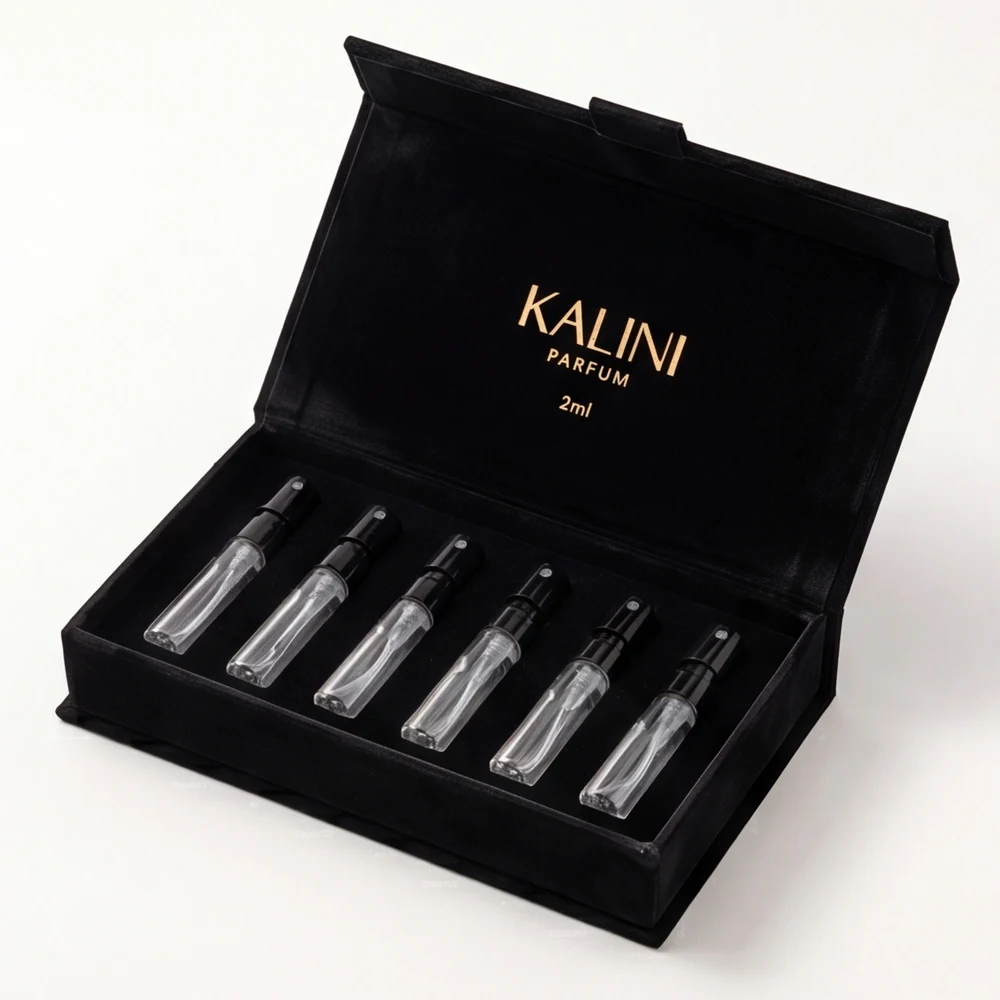
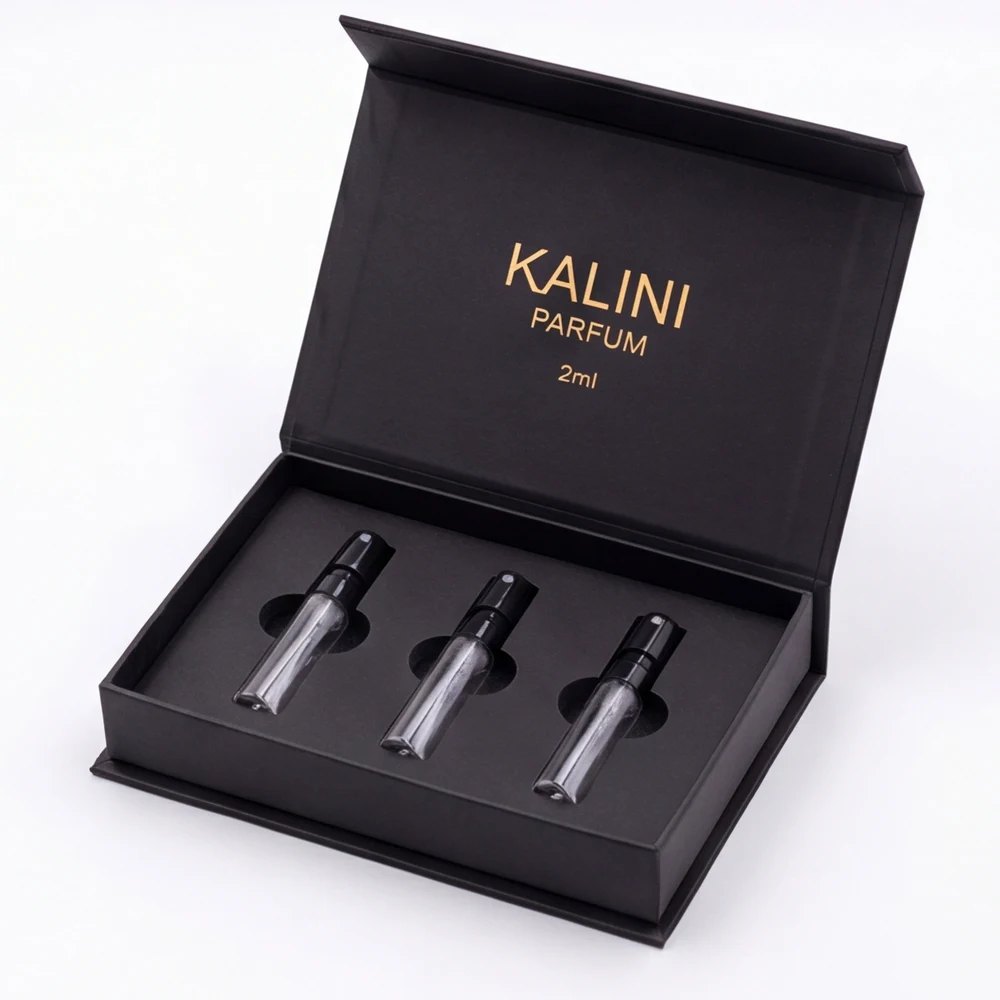
| Sample vial | 1.5ml–10ml program | Confirm the exact vial | Sampling and multi-vial discovery-set route |
Decide whether the project needs a mini retail bottle or a sample vial
A mini retail bottle is usually reviewed as a complete branded pack: glass bottle, pump, collar, cap, decoration and individual carton or fitted presentation. A sample vial is usually reviewed around trial volume, sprayer, vial count and discovery-set layout. A 10ml capacity label can appear in either conversation, so capacity alone does not decide the route.
If the project is primarily for fragrance sampling or a multi-scent set, use the sample-vial and discovery-set collection and the 1.5ml–10ml discovery-set guide. If the project needs a decorated bottle with a retail-style cap and individual pack, begin with the exact 8ml, 10ml or 15ml bottle collection.
Capacity does not predict the final exterior size
The single published 8ml reference is 22mm wide and 83mm overall. The three 10ml references are narrower or similar in width at 17–21mm but taller at 107–125mm. The eighty-four 15ml references span compact, broad, sculptural and extra-tall directions from 21mm to 86mm wide and 64mm to 195mm overall.
This variation matters for shelf presentation, pocket or bag fit, carton proportions and shipping density. Use the 10ml dimensions guide or the 15ml dimensions guide when the shortlist reaches those capacities, then retain the exact SKU through every later approval.
Match the pump, collar and cap to the selected bottle
A similar-looking cap or sprayer does not prove compatibility. Confirm the bottle neck or supplied component route, pump, actuator, collar, dip tube and cap as one assembly. The photographed closure is a reference direction unless the live project confirms the exact component set.
Review the sprayer and collar directions, then send the exact bottle SKU with the preferred finish and cap direction. Final fit, spray behavior, dip-tube length, live availability and commercial terms belong to the approved project configuration.
Plan decoration around the usable surface of the exact profile
Slim cylindrical, square, broad rectangular and sculptural bottles provide different print areas and viewing angles. Send editable artwork when available, logo dimensions, placement, color and the preferred screen-printing, hot-stamping, coating, frosting or labeling direction. The decoration method remains subject to feasibility and approval on the selected surface.
Do not scale artwork only from nominal capacity. A 15ml bottle can be shorter and broader than a 10ml bottle, while another 15ml reference can be much taller. Use the exact bottle profile and an agreed physical or production sample as the final visual reference where required.
Build the box or insert around the complete assembly
Measure the assembled bottle after the pump, collar and cap direction is sufficiently confirmed. A fitted insert needs the final width, depth, overall height, orientation, retention, finger access and protection requirements. A screen image or capacity label is not enough to approve a cavity.
Use the box types and inserts guide to compare folding, rigid, drawer and hinged structures. Travel or transport requirements vary by market, carrier and destination, so this guide compares packaging formats rather than promising regulatory or airline acceptance.
Prepare a quote-ready mini bottle brief
Send the exact SKU or capacity shortlist, intended retail or sampling role, estimated quantity, destination, pump and cap direction, decoration, individual box or discovery-set requirement, artwork status and target timing. If several capacities are under review, separate the quantity and presentation requirements for each option.
Use the packaging RFQ checklist to distinguish confirmed requirements from preferences. Live availability, MOQ, component compatibility, sampling route, price and schedule are confirmed for the selected project scope rather than inferred from a guide or photograph.