Start with capacity, then shortlist an exact bottle SKU
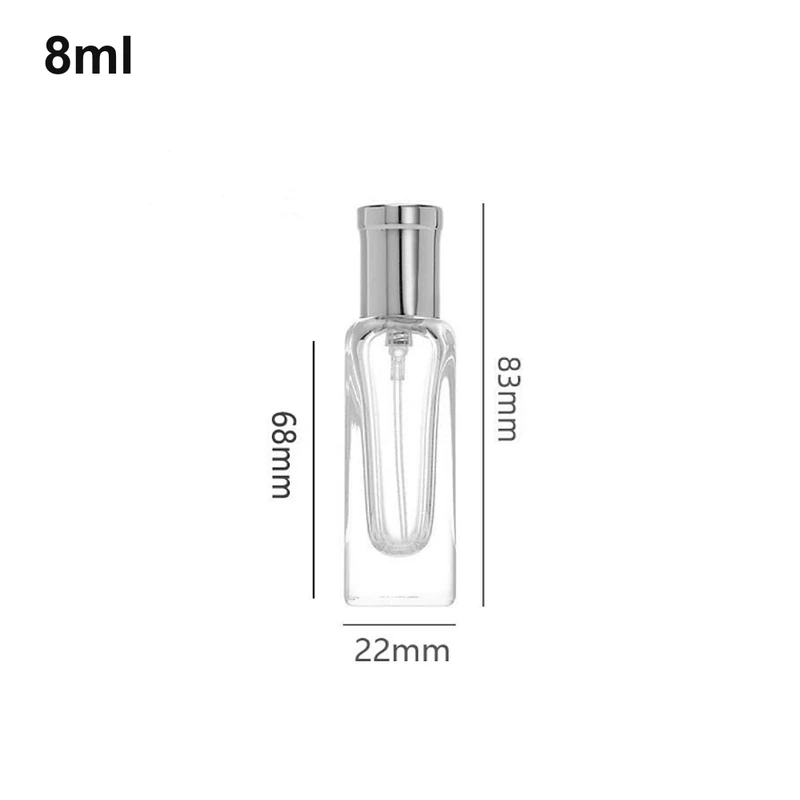
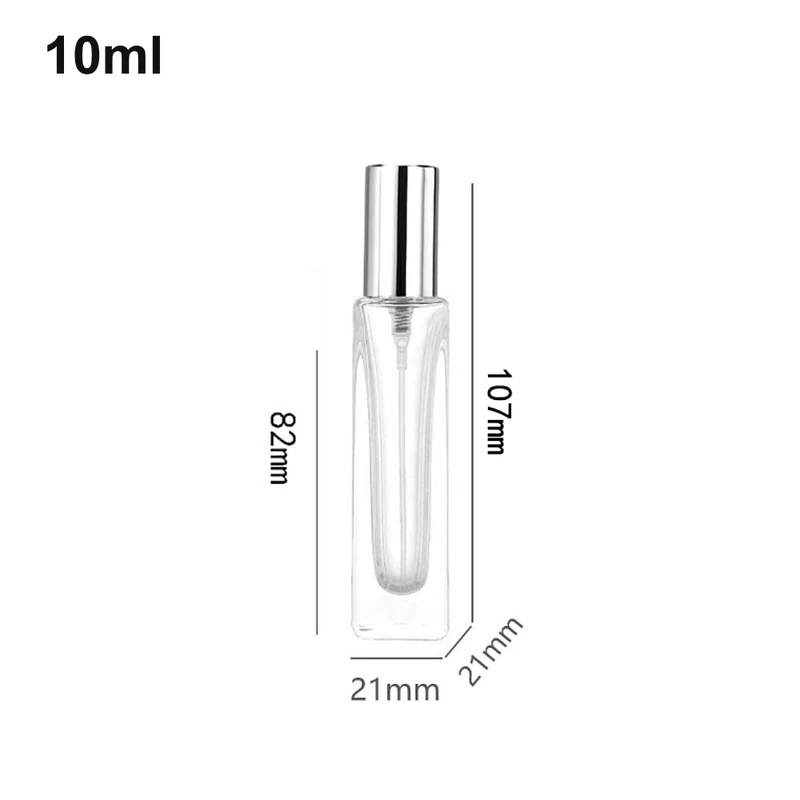
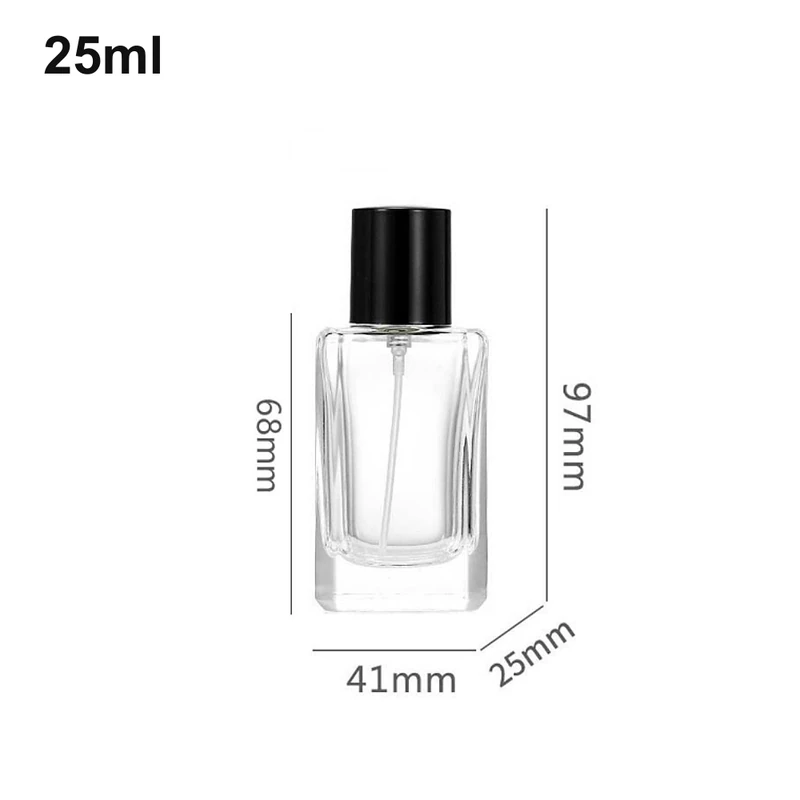
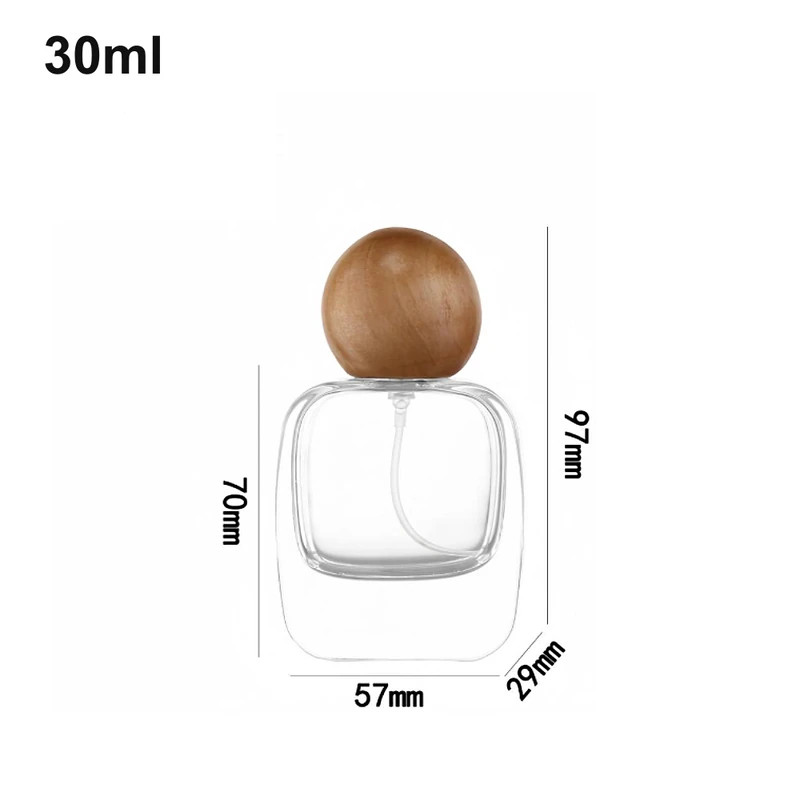
The published small-bottle range currently includes one 8ml reference, three 10ml references, eighty-four 15ml references, three 20ml references, thirteen 25ml references and sixty-two 30ml references. Each capacity contains different widths, depths, body heights, assembled heights and photographed closure directions.
Open the 8ml, 10ml, 15ml, 20ml, 25ml or 30ml collection to compare complete references. An exact SKU keeps the bottle image, dimensions and enquiry context connected as the brief develops.
| Capacity | Published references | Shown width range | Commercial starting point |
|---|---|---|---|
| 8ml | 1 exact SKU | 22mm | Slim travel-size direction |
| 10ml | 3 exact SKUs | 17–21mm | Extra-slim square or cylinder |
| 15ml | 84 exact SKUs | 21–86mm | Largest mini and statement range |
| 20ml | 3 exact SKUs | 40–52mm | Compact rectangular directions |
| 25ml | 13 exact SKUs | 33–52mm | Slim, square and cylindrical directions |
| 30ml | 62 exact SKUs | 24–83mm | Broad compact-to-statement range |
Separate a mini retail bottle from a sample-vial project
A small glass perfume bottle is usually reviewed as an individual branded pack with a pump, collar, cap, decoration and retail carton. A sample vial is often planned around trial volume, sprayer, vial count and discovery-set presentation. A capacity such as 8ml or 10ml can appear in either conversation, so the container and presentation route matter more than the number alone.
For sampling and multi-scent sets, compare the sample-vial and discovery-set program. For an individual bottle with a retail-style closure and carton, stay within the exact small-bottle SKU collections on this page.
Compare exterior dimensions before choosing the smallest capacity
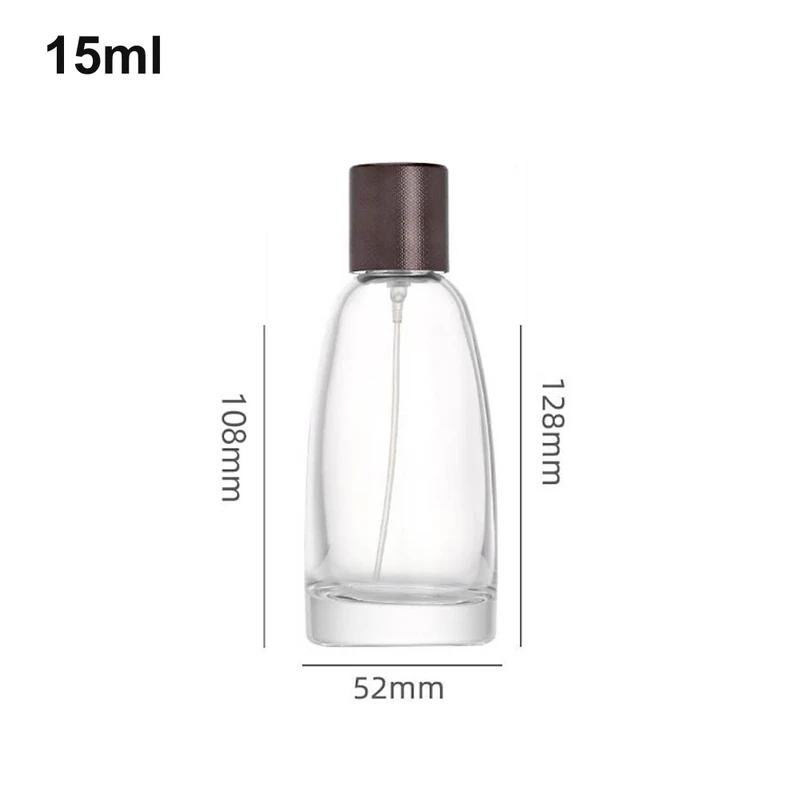
Lower fill volume does not always produce the shortest or narrowest assembled pack. A sculptural 15ml bottle can be taller or wider than a restrained 25ml or 30ml bottle. Use the published width, depth where shown, bottle-body height and overall height before evaluating shelf presentation, shipping density or an insert cavity.
The 15ml, 20ml, 25ml and 30ml dimension guides provide exact-SKU comparisons. Missing values remain unshown rather than being inferred from another bottle.
Coordinate pump, collar and cap around the selected neck route
Similar-looking small bottles do not prove that they share one neck, pump or cap. Confirm the exact bottle reference, neck or supplied component route, actuator, collar, dip tube and closure as one assembly. A photographed cap is a design direction until fit and availability are confirmed for the project.
Use the neck-size matching guide, sprayer and collar guide and cap guide to organize the questions without treating similar-looking parts as interchangeable.
Plan logo, finish and box around the same physical reference
Small-format decoration needs the usable surface of the exact bottle, not a scaled-down artwork assumption. Send the logo dimensions, placement, color reference and intended screen-printing, hot-stamping, coating, frosting or label direction for feasibility review on the selected surface.
A fitted insert should follow the assembled bottle, pump, collar and cap. Share the exact SKU, final orientation, width, depth, overall height, protection and finger-access requirements before approving a carton or cavity. The box and insert measurement guide explains that handoff.
Send a quote-ready small bottle brief
Send the exact SKU or capacity shortlist, estimated quantity for each option, destination, pump and cap direction, decoration, individual carton or set requirement, artwork status and target timing. These inputs help separate a quick comparison from a project that is ready for sampling or quotation.
Live availability, MOQ, component fit, decoration feasibility, sample route, price and schedule are confirmed against the selected configuration. The directory does not imply that every published reference is physically available at the same time.